Ontario's Plain-English Guide to Custom Home Building📞 705-533-1633 | ☎️ 1-866-868-6606 | ✉️ info@icfhome.ca

ICF Foundation Contractor in Simcoe County (2026)
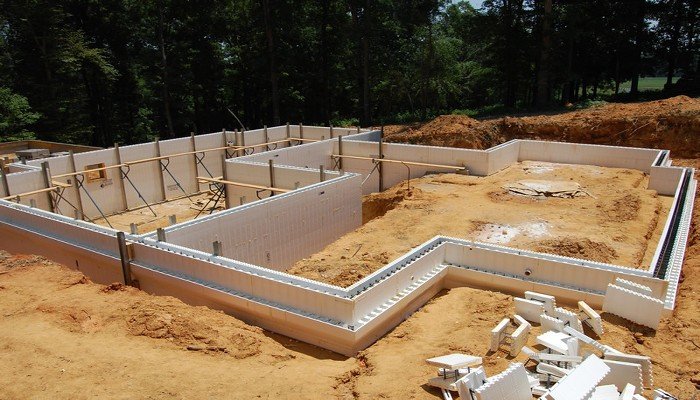
Simcoe County | 2026
Foundation hiring checklist
Scope | quotes | shortcuts
Part of: Insulated Concrete Forms (ICF) in Ontario – the complete guide
ICF Foundation Contractor in Simcoe County (2026): What a Proper Quote Includes
Hiring an ICF foundation contractor in Simcoe County is not like hiring someone to paint a bedroom. A foundation is structural, the waterproofing is unforgiving, and the decisions you make now can cost a fortune later – usually right after you move in. This guide shows you what to ask, what to verify, what a real scope looks like in Ontario, and how to compare quotes without getting fooled by a low number.
1The real scope
2What drives cost here
3Comparing quotes
4Shortcuts to spot
If you are searching ICF foundation contractor Simcoe County, you likely care about three things: durability, comfort, and not getting soaked – literally and financially. That is the right mindset. Now let us make sure you hire a contractor who can actually deliver the quiet, dry, solid result ICF is famous for. (Looking more broadly? See our guide to finding and vetting ICF contractors near you.)
Local note: Simcoe County lots vary enormously – clay near Barrie, sand and high water tables toward Wasaga and Tiny, rock and slope around the Blue Mountains. Much of the county also sits under the Nottawasaga Valley Conservation Authority (NVCA) (eastern parts under Lake Simcoe Region CA), which can add permit conditions near water or wetlands. A contractor who builds here regularly already knows this; one who does not will find out on your dime.
What you are actually hiring for: the ICF foundation scope (in plain English)
An ICF foundation is a system – forms, concrete, steel, waterproofing, drainage, insulation continuity, and coordination with the trades above. If a quote only talks about “blocks and pour,” it is missing the parts that keep basements dry and walls straight.
Core items that must be clear
- Excavation limits and base prep (who does what)
- Footings: size, steel, and concrete spec (engineered or code-based)
- ICF walls: thickness, height, bracing, plumb and alignment tolerances
- Pour plan: lift strategy, consolidation/vibration, crew size
- Waterproofing + drainage: membrane, protection board, weeping tile, stone
- Backfill timing and material (where cracks and bowing happen)
The “quietly expensive” add-ons
- Walkout or stepped footings on slopes
- Radon rough-in and sub-slab sealing
- High water-table solutions (sump strategy, drainage upgrades)
- Extra rebar or engineering for tall walls and big openings
- Rock or access issues that add machine time
For a primer on how ICF works and why it is different from “foam forms with concrete inside,” start with the ICF complete guide and the honest ICF foundation pros and cons.
What does an ICF foundation cost in Simcoe County?
Straight talk: anyone giving you a “per square foot” ICF foundation price without asking about your lot is guessing. In Simcoe County the swings are driven by excavation conditions, wall height, waterproofing needs, and complexity (walkouts, steps, big openings). As a starting reference, an ICF foundation typically runs about $8,000 to $18,000 more than a poured wall, and site costs (excavation, drainage, backfill) add meaningfully on top. Use the concrete footings cost calculator and the full ICF foundation cost breakdown, or estimate the whole wall system with the ICF cost calculator.
Here is the “why,” in builder terms:
- Soil and rock: clay, boulders, and bedrock change machine time and disposal costs fast.
- Water management: wet holes need sump planning and sometimes dewatering. Waterproofing is not optional – it is the job.
- Wall height and engineering: taller walls mean more bracing, more steel, more scrutiny, and more risk if done poorly.
- Access: tight sites or steep driveways slow everything down, and time is money.
- Schedule: rushing around weather windows raises risk. Concrete does not care about your deadline.
Builder tip: your cheapest foundation quote can become your most expensive upgrade if it skips waterproofing details, drainage, or proper backfill timing.
Building new? The HST rebate dwarfs your foundation quote
Before you compare foundation numbers, know that a new home in Ontario qualifies for the enhanced HST rebate – up to $130,000 back – if your build contract is signed before the deadline. That figure is far larger than the gap between any two foundation quotes, so confirm your rebate path up front.
Ontario HST Rebate | Deadline April 1, 2027
You Could Lose Up To $106,000 If You Don’t Start Before April 2027
Ontario’s enhanced HST rebate puts up to $130,000 back in a new-home builder’s pocket – but only if your build contract is signed before April 1, 2027. Miss that window and you fall back to the standard $24,000 rebate. On a typical custom build, that is a six-figure swing – so it belongs in your budget from day one.
$0
Contract signed before Apr 1, 2027
$24,000
Signed after the deadline
$900,000
Miss the deadline and you forfeit
$0
Estimate based on Ontario’s 2026 enhanced HST rebate (Bill 114). Final eligibility for a custom / owner-built home is confirmed by a licensed rebate specialist – that’s what the free check is for. Full HST rebate details
The enhanced HST rebate applies to new home construction. Final eligibility is confirmed by a licensed rebate specialist - use the HST rebate calculator to check your number.
ICF contractor qualifications that matter (beyond "we've done a few")
ICF is not "hard," but it is unforgiving. Alignment, bracing, pour sequencing, and vibration technique separate clean foundations from wavy walls and blowouts. Here is what you want to see:
Proof you should ask for
- Photos/videos of straight, plumb walls before backfill - not just finished basements
- References from similar wall heights and similar site conditions
- A clear waterproofing spec (products plus method) in writing
- A pour plan: crew size, bracing, placement method, vibration approach
- Insurance, WSIB coverage, and who is responsible for which trades
Green flags during quoting
- They ask about soil, drainage paths, and access immediately
- They raise backfill timing and protection before you do
- They talk alignment, bracing strategy, and tolerances
- They coordinate openings early (windows, doors, beam pockets)
- They do not rush your questions, because the plan matters
Want the deeper vetting playbook? See how to find a contractor experienced in ICF construction and the broader how to hire an ICF builder guide.
How to compare ICF foundation quotes (apples to apples)
A proper comparison is not "which number is smaller." It is "which scope is complete and carries the least hidden risk." Line these up across every bid:
- Engineering: included or separate? Who coordinates changes?
- Footings: dimensions, rebar spec, concrete strength, and placement plan.
- ICF wall spec: thickness, height, openings, lintels/bucks, bracing responsibility.
- Concrete placement: pump included? number of lifts? vibration method?
- Waterproofing: product name, coverage area, protection board, termination details.
- Drainage: weeping tile type, stone, filter fabric, sump strategy, discharge location.
- Backfill: timing, material, compaction expectations, and who owns any damage.
If your build includes a full basement and you are eyeing comfort upgrades later (radiant slabs and the like), price the downstream cost early - see the cost of hydronic radiant floor heating in Ontario - so your foundation planning supports the mechanicals instead of fighting them.
Ontario code and permit realities
Your foundation must meet Ontario Building Code requirements plus any engineering or municipal conditions. The point is not to memorize the code - it is to hire a contractor who builds to it without being chased. Check specifics fast with the 2026 OBC guide and Code Navigator, and confirm the official baseline at the Ontario Building Code. For a new home, your builder should also be enrolled with Tarion so your build carries the statutory new-home warranty - foundations and moisture are not where you want ambiguity.
Common shortcuts (and how to spot them first)
Waterproofing shortcuts
- Generic "damp proofing" instead of a real waterproofing system
- No protection board, so backfill damages the membrane
- Weeping tile without proper stone and filter-fabric detail
- Poor termination at the top of the membrane
Structural / pour shortcuts
- Under-bracing, so walls wander, bow, or blow out
- Pouring too fast without lifts and vibration discipline
- Missing steel or wrong steel placement
- Backfilling too soon or with bad material
Simple rule: choose the scope that is complete - not the number that is smallest. The cheapest foundation is the one you never have to dig up again.
Talk to a Simcoe County ICF crew
If you are building in Simcoe County or the Georgian Bay area, you have already found an experienced ICF foundation crew. We have poured ICF here for 30 years - certified, Tarion-backed, WSIB-covered - and we know the local soil, water, and township conditions. Send your plans for a second set of eyes before you commit (it is usually cheaper than learning the hard way), or book a quick call.
Need an ICF foundation contractor in Simcoe County?
We build ICF foundations and full homes across Simcoe County and Georgian Bay - certified, Tarion-backed, WSIB-covered. Send your plans for an honest review, or book a free call. Call 705-533-1633.
Related contractor & ICF guides
- ICF contractors near me - how to find and vet a crew anywhere in Ontario.
- How to hire an ICF builder - what to look for in a builder.
- How to find a contractor experienced in ICF construction - verifying real experience.
- ICF foundation cost and best ICF brands in Ontario.
- The ICF complete guide - the hub.
Frequently asked questions
How much does an ICF foundation cost in Simcoe County?
There is no honest per-square-foot number without seeing your lot. As a starting reference, an ICF foundation typically runs about $8,000 to $18,000 more than a poured wall, with site costs (excavation, drainage, backfill) on top - and the real drivers in Simcoe County are soil and rock, water table, wall height, and site access. Use our concrete footings calculator and ICF foundation cost guide for a grounded estimate, then get an itemized quote against your actual conditions.
What should a complete ICF foundation quote include?
Excavation limits and base prep; footings (size, steel, concrete spec); ICF wall spec (thickness, height, bracing, tolerances); a pour plan (lifts, vibration, crew size); waterproofing and drainage (membrane, protection board, weeping tile, stone, sump); and backfill timing and material. If a quote only mentions "blocks and pour," it is missing the parts that keep basements dry and walls straight - and those gaps become your problem later.
How do I vet an ICF foundation contractor in Simcoe County?
Ask for photos of straight, plumb walls before backfill (not just finished basements), references from similar wall heights and site conditions, a written waterproofing spec, and a clear pour and bracing plan. Confirm WSIB coverage, liability insurance, and - for a new home - Tarion enrolment. A local crew that already knows the area's clay, sand, high water tables, and conservation authority rules will hit fewer surprises.
Why does waterproofing matter so much on an ICF foundation?
Because water is the number-one cause of foundation problems, and fixing it later usually means excavation. ICF gives you a strong, insulated wall, but it does not replace a complete water strategy: proper membrane, protection board so backfill does not damage it, weeping tile with clean stone and filter fabric, a sump plan, and final grading that moves water away. Generic "damp proofing" is a classic shortcut that looks fine today and leaks in a few years.
What local conditions affect ICF foundations in Simcoe County?
The county is varied - clay around Barrie, sand and high water tables toward Wasaga Beach and Tiny, and rock and slope near the Blue Mountains - so excavation, dewatering, and drainage needs change a lot lot to lot. Much of the area also falls under the Nottawasaga Valley Conservation Authority (eastern parts under Lake Simcoe Region CA), which can add permit conditions near water or wetlands. A contractor who builds here regularly plans for these up front.
Can I compare ICF foundation quotes on price alone?
No - that is how people get burned. Compare scope: engineering, footings, wall spec, concrete placement, waterproofing, drainage, and backfill responsibility. A low bid often hides missing waterproofing detail, under-bracing, or skipped drainage that surfaces as cracks or a wet basement. Choose the most complete scope with the least hidden risk, not the smallest number.
When can the foundation be backfilled?
After the concrete has cured adequately and, where required, once the floor system or bracing provides lateral support - rushing backfill is a common cause of bowed or cracked walls. The right timing depends on wall height, design, and the engineer's or code requirements, and the material and compaction matter too. A good contractor states backfill timing, material, and responsibility for any damage in the contract.
Does an ICF foundation need an engineer in Ontario?
Often, especially for taller walls, large openings, walkouts, or challenging soils - engineering may be required by code or your municipality, and it protects you when conditions are not standard. Your quote should make clear whether engineering is included or separate and who coordinates changes. Confirm requirements with your municipality and the Ontario Building Code before you finalize the design.
Should my ICF builder be enrolled with Tarion?
For a new home in Ontario, yes. Tarion administers the statutory new-home warranty, and your builder should be enrolled and your home registered so you are covered for defects and deposit protection. Foundations and moisture issues are exactly where this protection matters, so treat vagueness about Tarion as a red flag and verify status before signing.
Do you build ICF foundations across Simcoe County?
Yes. We build ICF foundations and full homes across Simcoe County and the Georgian Bay area - Collingwood, Wasaga Beach, Blue Mountains, Stayner, Barrie, Springwater, Oro-Medonte, Midland, Penetanguishene, Tiny, and Tay - and occasionally a bit farther for the right project. We are certified, Tarion-backed, and WSIB-covered. Send your plans for an honest review or book a call to talk it through.
Note: this is general guidance for hiring in Ontario, not engineering or legal advice. Scope varies by lot, soil, and design. Always confirm a contractor's WSIB, insurance, and Tarion status, and verify permit, engineering, and inspection requirements with your municipality and the Ontario Building Code.
Latest posts
Fresh guides, calculators & real-world advice
More from BuildersOntario - scroll to explore.
Loading latest posts...
Tip: shift + mousewheel works great