Ontario's Plain-English Guide to Custom Home Building📞 705-533-1633 | ☎️ 1-866-868-6606 | ✉️ info@icfhome.ca

Top Trends In Construction
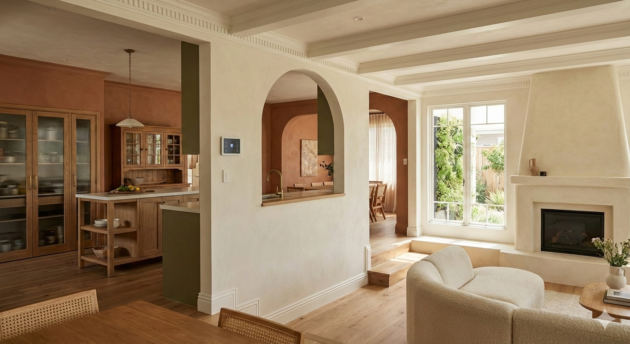
What Ontario Homes Will Look Like in 2026: Top Trends In Construction
As the demand for new-build homes evolves in Ontario, three major shifts stand out for 2026 – strong emphasis on sustainability and net-zero readiness, rising use of modular and off-site construction, and a heavier focus on urban-infill and multi-unit living. These forces define the major home construction trends, reshape how new home construction Ontario is designed and delivered, and set the tone for how residential construction will look.
- 🌿 Sustainability & net-zero readiness
- 🏭 Modular & off-site building
- 🏙️ Urban infill & multi-unit living
- 📲 Smart + resilience features
Meta
Provided
Meta Title: What Ontario Homes Will Look Like in 2026: Top Trends In Construction
Meta Description: Discover the top Ontario home construction trends for 2026, from sustainable builds to modular homes and smart, future-ready designs.
Why it’s changing
Regulation, supply constraints, and cost pressure.
What it changes
How homes are designed and delivered.
What to do
Plan performance, flexibility, and cost early.
Why Ontario Housing Looks Different in 2026
Imagine walking through a new suburb of the Greater Toronto Area in 2026 — as you move along, you’ll spot a row of homes built partly off-site, finished with solar roof panels, EV chargers in garages, and smaller-lot multi-unit builds layered in. Meanwhile, downtown, a developer wraps up a mid-rise designed for infill living with green certifications, and municipalities are pushing to reduce approval times.
These snapshots illustrate why local context matters for Ontario home construction trends. Ontario’s unique market, with its population density, urban sprawl, government regulation, labour and material costs, means the trends here differ from those in other provinces. For professionals, investors, and home-buyers alike, understanding the shifts in new home construction in Ontario helps stay ahead of the curve.
Modern homes are more complex than ever, with integrated systems for energy, water, and waste management. That’s why homeowners and builders are increasingly relying on trusted service providers for plumbing and maintenance. Companies like Drain Rescue Plumbers ensure that these systems are installed efficiently and maintained to meet the high standards of Ontario’s residential construction.
What You Need to Know Before Diving into Trends
Before we go deep into the big trends, three foundational points give context:
- Regulatory pressure and supply challenges. New-home approvals have become more complex, with single-family starts in some regions declining due to tighter regulations and labour constraints.
- Government-driven reforms. Ontario has introduced policies aimed at speeding approvals and reducing red tape for home-builders.
- Market-specific cost pressures. Material and labour inflation, tighter margins, permit delays, and municipal fees are shaping how homes are built and priced.
With that context, let’s explore the big trends.
Key 2026 Building Trends in Ontario
Below are the major drivers of how homes are being built and will be built in Ontario in 2026.
Sustainability & Net-Zero Ready Homes
One of the most prominent of the 2026 building trends Ontario is the move toward higher-performance homes. Builders and developers are increasingly focused on:
- Incorporating insulation, airtightness, and energy-efficient HVAC systems.
- Designing for future electrification (heat pumps, EV charging).
- Using greener materials and pursuing certifications such as zero-carbon ready.
- Resilience features like enhanced weather protection and climate-proofing.
Why this matters: Homebuyers are more aware of long-term utility costs, resale value, and climate risk. On the builder side, meeting stricter performance standards helps future-proof homes.
Modular and Off-Site Construction Gains Ground
In response to labour shortages, cost escalation, and schedule risk, modular and off-site building methods are becoming key in the Ontario housing development trends, a growth pattern observed by CMHC. Key points:
- Use of factory-built components (walls, modules) delivered to site.
- Reduced on-site labour time and shorter build schedules.
- Easier quality control and less weather-impact risk.
- Growing acceptance by municipalities and lenders.
| Traditional On-Site Build | Modular/Off-Site Build |
|---|---|
| Longer schedule, weather delays | Shorter schedule, less weather impact |
| Higher on-site labour costs | Reduced on-site labour costs |
| Variability in quality | Standardized factory quality |
| Greater on-site logistics risk | Simplified logistics |
Urban Infill & Multi-Unit Strategies Expand
The push to maximize land use and improve housing supply in dense regions has elevated infill and multi-unit builds within the new home construction in Ontario:
- Townhomes, stacked flats, mid-rise developments on transit corridors.
- Smaller-lot single-family homes are replacing large lots.
- Adaptive reuse and residential conversions in mature neighbourhoods.
Ontario’s urban cores and surrounding municipalities face land scarcity, higher land prices, and tighter zoning. Infill and multi-unit strategies help increase supply in amenity-rich locations.
Technology, Smart Homes and Resilience Features
Another strand of the Ontario home construction trends relates to smart-home integrations and resilience planning:
- Smart thermostats, home energy-management systems, IoT devices.
- Pre-wiring for future electrification (EV charging, heat pumps).
- Designing homes to adapt for climate extremes: improved drainage, roof pitch, wind/ice triggers.
- Use of digital workflows to speed up design and reduce errors.
For builders and home-buyers, tech-enabled homes represent higher value and longer-term relevance.
Cost Pressures, Supply Chain and Material Innovation
Finally, cost and supply chain realities shape how homes get built and what features remain standard. Trends here include:
- Use of alternative materials (cross-laminated timber, engineered wood products) to offset steel/lumber inflation.
- Local sourcing, supply diversification, and contingency planning.
- Efficient design to minimize waste, enable faster occupancy, and reduce holding costs.
For the residential construction Ontario 2026 market, managing cost without sacrificing quality is crucial.
What Builders, Developers and Home-Buyers Should Do Next
Having reviewed the major trends, here are actionable suggestions to align with the momentum:
- Prioritize performance early. Include energy modelling, net-zero readiness, and smart-home wiring at the design stage rather than retrofitting later.
- Evaluate modular/off-site options. If timeline, weather, or labour risk is high, investigate prefabrication or panelized systems.
- Focus on infill and land-use strategy. Consider smaller-lot designs, stacked units, or conversions in suburbs/urban edges.
- Integrate smart and resilience features. Smart wiring, EV conduit, climate-resilient details (roof, drainage) add both buyer appeal and future-proofing.
- Control cost by design. Simplify repetitions, standardize modules, explore alternative materials, and streamline approvals.
- Stay compliant and ahead of regulation. Watch for changes in provincial/municipal zoning, building code updates, and approval timelines.
Conclusion & Final Thoughts
The landscape of Ontario home construction in 2026 is defined by change and opportunity. From sustainability and net-zero readiness to modular construction, from urban infill strategies to technology-enabled homes, the innovations are real and impactful. For anyone engaged with Ontario home construction trends, aligning with these shifts means positioning for the future.
Delivering high-quality, efficient, future-ready homes becomes the benchmark. With thoughtful planning, smart execution, and attention to these trends, you’ll be well-placed to capitalize on Ontario’s evolving housing market.

Great insights on how sustainability and modular construction are shaping the future of the industry. The shift toward smarter, faster, and greener building methods is truly impressive.