Ontario's Plain-English Guide to Custom Home Building📞 705-533-1633 | ☎️ 1-866-868-6606 | ✉️ info@icfhome.ca
Attic Insulation Cost Ontario
t
Real price ranges
What drives the quote
R-value + air sealing
Attic Insulation Cost in Ontario: Real Prices Per Sq Ft (and What’s Driving the Quote)
If your upstairs is “sauna in July, igloo in January,” the attic is usually the first suspect. (It’s amazing how much comfort lives in that dusty space you never visit.) Here’s a practical, Ontario-focused guide to what attic insulation actually costs, what to budget per square foot, and the hidden details – air sealing, hatch work, ventilation, removal – that swing your quote.
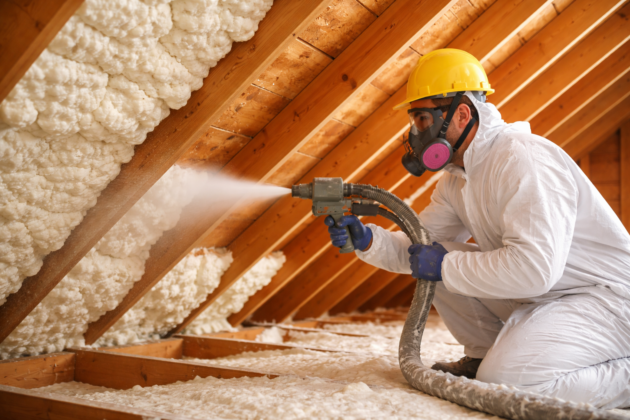
TL;DR: A fast estimate is attic area x $1.50 to $3.00 for blown-in, plus allowances for air sealing, baffles, and removal if needed. The modern Ontario attic target is around R-60 (older homes are often far below). The “cheap quote” trap is a low number that skipped the air sealing and the baffles – the exact parts that prevent problems. Insulation is only half the job; air sealing is the other half.
Builder’s blunt truth: insulation is only half the story. The other half is air sealing. If warm, moist air can leak into your attic, you can add a mountain of insulation and still lose comfort – and invite moisture trouble on the underside of the roof.
Quick answers (so you don’t have to scroll)
- Fast cost rule: attic sq ft x $1.50-$3.00 for blown-in (typical), plus allowances for air sealing, baffles, and removal if needed.
- Modern R-value target: around R-60 for an Ontario attic; many older homes sit at R-20 to R-40 and benefit hugely from a top-up.
- Most common retrofit approach: air seal first, then blow to depth, then confirm the ventilation paths.
- The cheap-quote trap: skipped air sealing plus skipped baffles.
Attic insulation cost in Ontario: realistic installed price ranges
Most Ontario attic upgrades land in a fairly consistent per-square-foot range once labour, setup, and “attic reality” are included. These are the ranges you’ll commonly see quoted for installed work – treat them as planning estimates, since removal, access, and ventilation corrections move them.
| Material | Typical installed range | Where it fits |
|---|---|---|
| Blown-in cellulose | $1.50 – $2.50 / sq ft | Best bang-for-buck for many retrofits. Fills odd bays well and performs nicely when the attic floor is air sealed first. |
| Blown-in fiberglass | $1.75 – $3.00 / sq ft | Clean, common, fast. Similar real-world performance to cellulose when depth and air sealing are done properly. |
| Fiberglass batts (top-up, tidy attics) | $0.50 – $2.30 / sq ft | Best in open, easy attics. In real retrofits, batts can be slower and fussier than homeowners expect. |
| Spray foam (special cases) | $3.00 – $8.00 / sq ft | Excellent sealing. Used strategically – kneewalls, rooflines, tricky edges – rather than the whole attic floor. |
These ranges move based on removal, access, hatch work, the depth needed to hit your R-value target, and any ventilation corrections.
The three things that swing your attic quote the most
1. How much R-value you’re adding
More depth means more material, more labour, and more cost. If you’re going from R-30 to the modern R-60 target, that’s a significant top-up – and the depth is real. Ask what final R-value the quote guarantees.
2. Air sealing (the invisible work)
Air leaks are why you can have “decent insulation” and still feel drafts and temperature swings. Good prep seals plumbing stacks, electrical penetrations, top plates, pot lights, and the attic hatch, and blocks major bypasses like chases and open wall tops.
3. Ventilation and baffles
When you add depth you must keep soffit ventilation open. That means baffles at the eaves so insulation never covers the soffit vents – blocking soffit vents is one of the most common attic mistakes.
One sentence to remember: air sealing keeps indoor air where it belongs, and baffles keep the attic breathing where it needs to. A clear plain-English reference is the Energy Star guide to attic ventilation.
A quick back-of-napkin budget example
Say your attic area is 1,200 sq ft and you’re doing a typical Ontario top-up with proper prep:
| Approach | Math | Installed budget range |
|---|---|---|
| Cellulose | 1,200 x $1.50-$2.50 | about $1,800 – $3,000 |
| Blown fiberglass | 1,200 x $1.75-$3.00 | about $2,100 – $3,600 |
The lowest quote is usually lowest for a reason: if removal, difficult access, a hatch rebuild, or ventilation fixes are needed, add more. And a low number often means it skipped the air sealing and the baffles – the exact parts that prevent problems. That’s not a deal, it’s a future problem with a discount sticker.
Want the “right” quote instead of the “cheap” one? Ask every contractor the same three questions.
1) What air sealing is included? 2) How are the soffits kept open (baffles)? 3) What final depth, R-value, and coverage are you guaranteeing? We’ll help you read the quotes, spot the skipped scope, and decide whether a top-up fixes it or whether the real problem is the whole envelope. Quick paid consult: we scope it on a call and send a secure payment link, so you only pay once you know what you’re getting. No charge to ask.
Blown-in vs spray foam: when each one actually makes sense
Blown-in is the Ontario default
For a standard vented attic, blown-in cellulose or fiberglass is usually the most cost-effective way to get a strong, consistent blanket over the ceiling plane – especially once air sealing is done first. It fills odd bays, reaches to depth, and hits R-60 economically.
Spray foam is a specialist tool
Foam shines where air sealing is hard, or where you’re insulating rooflines, kneewalls, or cathedral sections. Used strategically it’s excellent; used everywhere without a plan, it can turn a normal upgrade into a wallet event.
Insulating because you’re building or renovating? Two books for that
An attic top-up is a fix; a properly detailed envelope is a solution. If insulation is part of a bigger project, these get the build right. Each $29.99, or get both below and save.
Build it right
The Ontario Building Permit Bible
When the insulation is part of a bigger job.
$10,000$29.99one-time
Everything a builder does to run a permit and coordinate inspections – the order of operations, the complete-application checklist, real 2026 fees, and when insulation, air-barrier, and ventilation work crosses into permit territory.
- The complete-application checklist, so the file doesn’t bounce
- When air-barrier and structural changes need a permit
- Real 2026 permit fees and what triggers them
- How to never fail an inspection – and the costliest mistakes
30-day money-back guarantee.
Get the Permit Bible – $29.99 →
Secure checkout – download in 2 minutes – yours forever
Land + budget
The Ontario Lot-Buying Bible
If you’re building new, not just topping up.
$200+ of pro advice$29.99one-time
The 28-page step-by-step that budgets a build the way the money actually flows – land, site, hard and soft costs, envelope and mechanical choices, financing, and a real contingency. So the comfort is designed in, not patched later.
- The hard-cost / soft-cost / contingency budgeting worksheet
- Where the envelope and mechanical choices drive comfort
- The 10-minute go/no-go test and printable scorecard
- Bonus chapters: DIY trades, wells, easements, negotiation
30-day money-back guarantee.
Get the Lot Bible – $29.99 →
Secure checkout – download in 2 minutes – yours forever
Building new, where comfort is designed in? Get both Bibles.
Budget the whole build and run the permit – so the envelope is right from day one, not topped up later.
Before you buy
The Ontario Lot-Buying Bible
Prove a lot is buildable – and what it will really cost – before you spend a dollar.
$29.99 on its own
+
After you buy
The Ontario Building Permit Bible
Pull your Ontario permits yourself – the order of operations, the checklist, and how to never fail an inspection.
$29.99 on its own
$59.98 Both for $49.99
Get both Bibles →
The most common attic upgrade mistakes (Ontario edition)
- Skipping air sealing and relying on insulation alone.
- Blocking soffits because baffles weren’t installed.
- Ignoring the attic hatch – it can leak like a tiny garage door.
- Compressing batts around wiring and obstacles, which quietly reduces performance.
- Burying problems – wet or contaminated insulation – instead of fixing them first.
Ontario code and “should I pull a permit?” (quick clarity)
Most attic insulation top-ups are straightforward and don’t require a permit. But some projects cross into bigger changes – bath-fan routing, significant air-barrier changes, structural work, or adding platforms or new access – and those can. When in doubt, check the rules rather than guess. If your project touches more than “add insulation,” this guide on how to get a building permit in Ontario can save you a surprise visit from the paperwork fairy.
Will this actually save money? Usually yes – if it’s done properly
Attic upgrades tend to pay back because they cut heat loss at the top of the house, where heat loves to escape. The biggest comfort win is usually upstairs temperature stability – less overheating in summer and fewer cold spots in winter. The catch is that the savings come from the whole job done right: the R-value hitting target, the air sealing done first, and the ventilation kept open. Insulation without air sealing under-delivers, which is why a “cheap” quote so often disappoints. If you’re weighing whole-home comfort upgrades, see the cost of hydronic radiant floor heating in Ontario and the heat loss calculation – the quickest way to spot whether a “great deal” is hiding long-term operating costs.
Tired of chasing comfort one upgrade at a time? Build it in from the start.
An attic top-up treats the symptom. A high-performance ICF home solves it at the source – a continuous, air-sealed, deeply insulated envelope that keeps the upstairs stable in July and January without a pile of retrofits. If you’re building or planning a major renovation across Simcoe County or Georgian Bay, we design and build exactly that.
Related guides and tools
Attic insulation cost in Ontario: frequently asked questions
What’s the average attic insulation cost in Ontario for a typical house?
Many typical Ontario attic retrofits, meaning a simple top-up with decent access and minimal removal, land in the low-to-mid thousands of dollars. The fastest way to estimate your own is to take the attic area in square feet and multiply by a realistic per-square-foot range, roughly one dollar fifty to three dollars for blown-in work, then add allowances for the parts that are easy to forget: air sealing, baffles at the eaves, removal of old material if it is wet or contaminated, and rebuilding or weatherstripping the hatch. A 1,200 square foot attic, for example, often lands somewhere around two to three and a half thousand dollars installed when the prep is done properly. The number climbs with difficult access, a deep top-up to hit the modern R-60 target, or ventilation corrections, and it drops on an open, easy attic. The most useful thing to compare between quotes is not just the price but the scope, because a lower number frequently means less work rather than a better deal.
What R-value should my Ontario attic have?
The modern target for an Ontario attic is in the neighbourhood of R-60, which is a meaningful step up from what older homes typically have, since many houses built decades ago sit somewhere between R-20 and R-40 and lose a great deal of heat through the ceiling as a result. Reaching R-60 usually means a substantial depth of blown-in insulation over the attic floor, which is exactly why depth is one of the biggest cost drivers in a quote. It is worth asking any contractor what final R-value they are guaranteeing rather than just how many bags they will blow, because settling and uneven coverage can leave you short of target if the work is not measured. The reason the target has climbed over the years is straightforward: the attic is where heat escapes most easily, so it is the most cost-effective place to add resistance, and a well-insulated, well-sealed attic pays back in comfort and operating cost more reliably than almost any other single upgrade. If you are going to disturb the attic anyway, hitting the current target rather than the old one is usually the sensible call.
Is cellulose cheaper than blown fiberglass?
Often, yes, cellulose comes in a little cheaper per square foot, but the bigger difference between two quotes is usually the scope of work rather than the material. Both cellulose and blown fiberglass perform well in a standard vented attic when they are installed to the right depth over a properly air-sealed ceiling, and the real-world comfort difference between them is small compared with the difference between a job that includes air sealing and baffles and one that does not. So if one quote is noticeably cheaper, the first question to ask is not which material it uses but what it left out, because a low price that skipped the air sealing and the ventilation work is not a deal, it is a future problem with a discount sticker. Cellulose has the added quirk of settling slightly over time, so installers account for that by blowing to a higher initial depth, which is another reason the guaranteed final R-value matters more than the material name. Choose the contractor and the scope first, and let the material follow from that.
Do I really need attic baffles?
If you are adding insulation out to the eaves, then yes, baffles are important, because they keep the soffit ventilation paths open so the attic can still breathe. When you blow insulation to depth without baffles, the material can slump into the eaves and cover the soffit vents, which chokes off the airflow that keeps the attic dry and cool in summer, and blocking soffit vents is one of the most common and most damaging attic mistakes. Baffles are inexpensive channels installed at the eaves that hold the insulation back and preserve a clear air path from the soffit up into the attic. Leaving them out to save a small amount on a quote is a false economy, because the moisture and heat problems that follow a blocked soffit can cost far more than the baffles would have. This is one of the specific items worth confirming is included when you compare quotes, since it is easy to omit and hard to fix after the insulation is already blown in over top of the vents.
Do I need to remove old attic insulation first?
Not always, and in many cases the most cost-effective approach is to air seal the ceiling plane properly and then top up over the existing material rather than removing it. Removal is typically recommended when the existing insulation is wet, mouldy, contaminated by rodents, or badly displaced, because in those situations you are not just adding resistance over a sound base, you are burying a problem that will keep causing trouble underneath a fresh layer. It can also be worth removing if the old material is so uneven or compacted that it prevents good air sealing of the ceiling, since the air sealing is what makes the whole upgrade work. Where the existing insulation is dry, clean, and simply thin, topping up is usually fine and saves the disposal cost and labour of a tear-out. The honest answer for any given attic comes from someone actually looking at it, which is why a contractor who inspects and talks about air sealing and moisture, rather than just quoting bags of insulation, is the one worth listening to.
Is spray foam always better?
No. Spray foam is excellent at what it does, which is sealing and insulating in one step, and it is often the right tool for tricky assemblies such as rooflines, kneewalls, cathedral sections, and edges where air sealing by hand is difficult. But for a standard vented attic floor, blown-in cellulose or fiberglass over a properly air-sealed ceiling is usually the more cost-effective way to reach a strong, consistent R-value, and it does so at a fraction of the price of foaming the whole attic. Foam becomes expensive quickly at three to eight dollars a square foot, so applying it everywhere without a plan can turn a normal upgrade into a wallet event with little extra comfort to show for it. The smart way to use foam is strategically, targeting the specific spots where its air-sealing strength earns its cost, while letting economical blown-in material do the bulk of the work across the open attic floor. Better is not a property of the material, it is a property of matching the material to the job.
Who should I talk to if I’m comparing attic insulation options?
Talk to a contractor who leads with air sealing and ventilation, not just “add more insulation,” because that is the difference between a quote that fixes the comfort problem and one that only appears to. A good conversation covers what air sealing is included, how the soffits will be kept open with baffles, what final R-value and coverage are guaranteed, and whether any old material needs removal, and a contractor who talks fluently about those things is showing you they understand why attics underperform. If your comfort problem is really coming from the whole envelope rather than just a thin attic – drafty walls, cold rooms, big temperature swings between floors – it is worth widening the conversation beyond a single top-up, because chasing comfort one retrofit at a time can cost more over the years than solving it properly once. That is exactly the case for a high-performance build with a continuous, air-sealed, deeply insulated envelope, which is the kind of home we design and build, and it is worth understanding as a benchmark even if you ultimately just top up the attic you have.
Note: the price ranges here are Ontario planning estimates and vary widely by attic access, removal, depth, and ventilation work – they are not quotes. Confirm current pricing and any permit requirements with a qualified insulation contractor and your municipality.
More on costs and financing
Reviewed and updated October 2026. Costs on this site are Ontario ranges, not quotes; code references are to the Ontario Building Code in force at the date above.
Latest posts
Fresh guides, calculators & real-world advice
More from BuildersOntario – scroll to explore.
Loading latest posts…
Tip: shift + mousewheel works great