
Attic Insulation Cost Ontario
t
Attic Insulation Cost in Ontario: Real Prices Per Sq. Ft. (and What’s Driving the Quote)
If your upstairs is “sauna in July / igloo in January,” the attic is usually the first suspect. (It’s amazing how much comfort lives in that dusty space you never visit.)
This is a practical, Ontario-focused guide to the attic insulation cost Ontario homeowners typically see, what you should budget per square foot, and the hidden details (air sealing, hatch work, ventilation, removal) that swing your quote.
- Realistic price ranges
- What drives the quote
- R-value targets
- Common mistakes
Builder’s blunt truth: insulation is only half the story. The other half is air sealing. If warm, moist air can leak into your attic, you can add lots of insulation and still lose comfort (and invite moisture trouble).
Quick answers (so you don’t have to scroll)
- Fast cost rule: attic sq. ft. × $1.50–$3.00 for blown-in (typical) + allowances for air sealing, baffles, removal (if needed).
- Most common retrofit approach: air seal first, then blow to depth, then confirm ventilation paths.
- The “cheap quote” trap: skipped air sealing + skipped baffles.
1) Attic insulation cost Ontario: realistic installed price ranges
Most Ontario attic upgrades land in a pretty consistent per-square-foot range once labour, setup, and “attic reality” are included. Here are the ranges you’ll commonly see quoted for installed work.
Blown-in cellulose
$1.50 – $2.50 / sq. ft.
Blown-in fiberglass
$1.75 – $3.00 / sq. ft.
Fiberglass batts (top-up / very tidy attics)
$0.50 – $2.30 / sq. ft.
Spray foam (special cases)
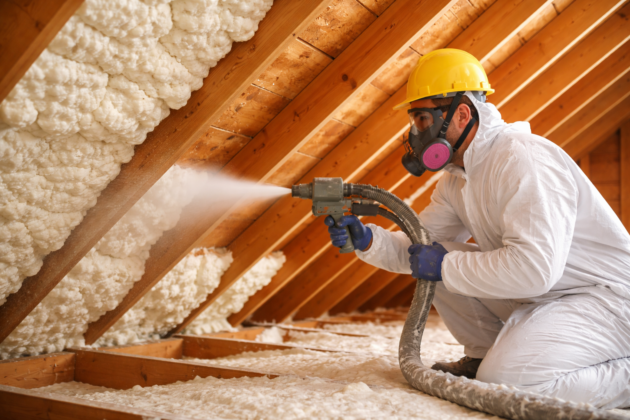
$3.00 – $8.00 / sq. ft.
These ranges move based on removal, access, hatch work, depth needed, and ventilation corrections.
2) The three things that swing your attic quote the most
A) How much R-value you’re adding (and how deep that really is)
In plain English: more depth = more material = more labour = more cost. Many Ontario homeowners aim for “a lot more than what we have now,” and that usually means a significant top-up.
B) Air sealing (the “invisible” work that makes insulation actually work)
Air leaks are why you can have “decent insulation” and still feel drafts and temperature swings. Solid attic prep often includes:
- Sealing plumbing stacks, electrical penetrations, and top plates
- Sealing around pot lights (or upgrading to sealed fixtures)
- Weatherstripping + insulating the attic hatch
- Blocking major bypasses (chases, soffits over cabinets, open wall tops)
C) Ventilation and baffles (because insulation shouldn’t block soffits)
When you add depth, you must keep soffit ventilation paths open. That usually means installing baffles at eaves and ensuring insulation doesn’t cover soffit vents—Energy Star specifically warns that blocking soffit vents is one of the most common mistakes. :contentReference[oaicite:0]{index=0}
One sentence to remember: air sealing keeps indoor air where it belongs, and baffles keep the attic breathing where it needs to.
3) A quick “back-of-napkin” budget example
Let’s say your attic area is 1,200 sq. ft. and you’re doing a typical Ontario top-up with proper prep.
Example installed budget ranges:
- Cellulose: 1,200 × $1.50–$2.50 ≈ $1,800 – $3,000
- Blown fiberglass: 1,200 × $1.75–$3.00 ≈ $2,100 – $3,600
If removal, difficult access, hatch rebuild, or ventilation fixes are needed, add more. The “lowest quote” is often lowest because it skipped the parts that prevent problems.
4) Blown-in vs. spray foam: when each one actually makes sense
Blown-in (cellulose or fiberglass) is the Ontario default for a reason
For a standard vented attic, blown-in insulation is usually the most cost-effective way to achieve a strong, consistent blanket over the ceiling plane—especially once air sealing is done first.
Spray foam is a specialist tool (often best in tricky areas)
Spray foam shines where air sealing is hard or where you’re insulating rooflines/kneewalls/cathedral sections. Used strategically, it’s excellent. Used everywhere without a plan, it can turn a normal upgrade into a wallet event.
5) The most common attic upgrade mistakes (Ontario edition)
- Skipping air sealing and relying on insulation alone
- Blocking soffits because baffles weren’t installed :contentReference[oaicite:1]{index=1}
- Ignoring the attic hatch (it can leak like a tiny garage door)
- Compressing batts around wiring/obstacles, reducing performance
- Burying problems (wet/contaminated insulation) instead of fixing them
6) Ontario code & “should I pull a permit?” (quick clarity)
Most attic insulation top-ups are straightforward, but some projects cross into bigger changes (bath fan routing, significant air barrier changes, structural work, adding platforms or new access, etc.). When in doubt, check the rules and don’t guess.
If you want to stay current, see Ontario Building Code changes for 2025. And if your project touches more than “add insulation,” this guide on how to get a building permit in Ontario can save you a surprise visit from the paperwork fairy.
7) “Will this actually save money?” (usually, yes — if it’s done properly)
Attic upgrades tend to pay back because they reduce heat loss at the top of the house (where heat loves to escape). The biggest comfort win is usually upstairs temperature stability—less overheating in summer and fewer cold spots in winter.
If you’re also looking at whole-home comfort upgrades, you might like this breakdown on the cost of hydronic radiant floor heating in Ontario.
FAQ: Attic insulation cost in Ontario
QWhat’s the average attic insulation cost in Ontario for a typical house?
QIs cellulose cheaper than blown fiberglass?
QDo I really need attic baffles?
QDo I need to remove old attic insulation first?
QIs spray foam always better?
QWho should I talk to if I’m comparing attic insulation options in Ontario?
Want the “right” quote instead of the “cheap” quote?
Ask every contractor the same three questions: (1) What air sealing is included? (2) How are soffits kept open (baffles)? (3) What final depth and coverage are you guaranteeing?
If you’re thinking bigger than just an insulation top-up (comfort, durability, and efficiency from day one), have a look at what we build at ICFhome.ca. :contentReference[oaicite:4]{index=4}
And if you want a clear explanation of attic ventilation + why soffits get blocked so often, this Energy Star guide is a good plain-English reference: About Attic Ventilation. :contentReference[oaicite:5]{index=5}
Scroll sideways to see more. Cards stay the same height (no messy uneven rows).