
The Inspection Sequence (And How to Pass)
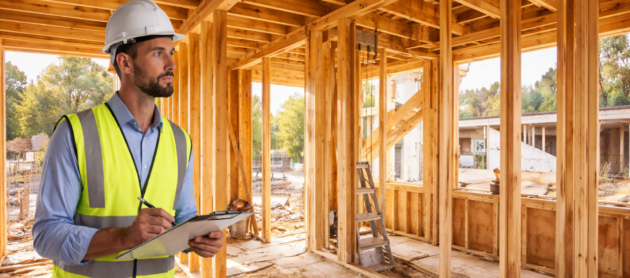
The Inspection Sequence (and How to Pass Without Sweating Through Your Hoodie)
Ontario building inspections aren’t random. They follow a predictable sequence—because inspectors need to see the important stuff before it gets buried behind concrete, insulation, drywall, and “we swear it’s in there.” If you understand the order and prep the site properly, inspections become a quick checkpoint instead of a project-stopper.
Why inspections feel stressful (even when you’re doing good work)
Inspections are stressful for one reason: they happen at “no turning back” moments. Once you pour a footing, you can’t un-pour it. Once you drywall, you can’t prove what’s inside without… well… creating a new open concept, and not the trendy kind.
Inspectors are generally checking two things: (1) safety and code compliance, and (2) that the work matches the approved permit drawings. The most common failures aren’t “your house is terrible.” They’re usually “wrong stage,” “work covered,” “missing information,” or “this doesn’t match the plans.”
The golden rule
Call for inspection when the work is complete for that stage and still visible. If you’re half done or it’s covered up, you’re basically asking for a “come back later” stamp.
Yes, “come back later” costs time. And time is money. And money is… tile upgrades. See how everything is connected?
The typical inspection sequence in Ontario (small residential)
Exact requirements vary by municipality and scope, but most new homes and major additions follow a familiar pattern. Here’s the sequence you can plan around:
| Stage | When it’s called | How you pass |
|---|---|---|
| Footing | Formwork/rebar complete, before concrete | Correct dimensions, bearing, reinforcement, setbacks; keep it clean and accessible |
| Foundation | Foundation complete (often before backfill) | Walls/insulation/dampproofing/drainage details per plan; don’t bury key details |
| Framing + rough-ins | Framing complete; rough plumbing/HVAC often in place | Structure matches plans, proper supports, headers, stairs; rough-ins visible |
| Fire separations (if required) | Fire-stopping/separations complete, before finishes | Correct assemblies and penetrations sealed as required |
| Insulation + vapour/air barrier | Insulation and barrier complete, before drywall/coverings | No gaps, correct detailing, sealed penetrations, barrier continuity |
| Final / occupancy | All required work done; safety items complete | Guards/handrails, alarms, systems working, required documents on file |
How to “pass” each stage (real-world tips)
Footings: Make sure the forms and reinforcement are done and easy to see. Keep mud and water under control so the inspector can actually verify what’s there. If your layout is off, this is the cheapest time to fix it—after the pour, it’s “creative demolition.”
Foundation: Inspectors often want to see critical foundation elements before backfill hides everything. Don’t assume “it’s underground anyway.” That’s exactly why they want to see it now. Have your approved drawings on site and make sure the work matches the details (height, openings, supports, drains, and any insulation or dampproofing requirements).
Framing + rough-ins: This is the “does the skeleton make sense?” stage. Don’t schedule this inspection while you’re still “kind of framing.” Finish the framing, keep the structure visible, and have rough-in work accessible. A common issue is changes made on site that aren’t reflected on the drawings—moving a window, widening an opening, removing a post “because it feels better.” If you change structure, treat it like a real change.
Insulation/vapour/air barrier: This stage is all about continuity and detail. The big failures are gaps, poorly sealed penetrations, or barriers that don’t connect properly. This is also where municipalities tend to insist it’s inspected before wallboard goes on, because after drywall they can’t verify the assembly.
Final/occupancy: Think “life safety and usability.” Final inspections are often delayed by small stuff: missing guards/handrails, incomplete stairs, missing alarms, blocked access to equipment, or unfinished exterior grading items (depending on local rules). The best way to pass final is to build a punch list early and close it out before you call.
Pre-inspection “don’t embarrass yourself” checklist
If the inspector can’t access it, they can’t approve it. And if they can’t approve it, your schedule just got a new hobby: waiting.
The most common reasons inspections fail (and they’re avoidable)
- Wrong timing: called too early or after it’s covered.
- Mismatch to drawings: field changes not documented or not approved.
- Access and safety issues: inspector can’t safely see what they need to see.
- Missing “small” items that are actually big: fire-stopping at penetrations, barrier continuity, proper guards/handrails.
If you take only one lesson from this post, take this: inspections reward organization. The code isn’t trying to ruin your day—your schedule gets ruined by preventable chaos.
Final builder note
Inspections are the easiest part of the build when you treat them like a sequence, not a surprise. Finish the stage, keep it visible, match the approved plans, and make it easy for the inspector to verify. Do that, and you’ll pass more often than you fail—and you’ll keep your project moving like it’s supposed to.