
How Long Does It Take to Build a Custom Home
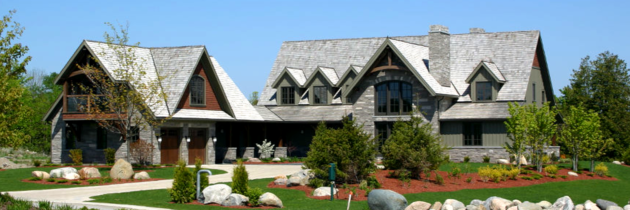
How Long Does It Take to Build a Custom Home: A Real Ontario Timeline (and the 9 Things That Blow It Up)
If you came here hoping I’d say, “Six months, easy,” I’m going to save you some pain: the fastest builds are the ones that were planned properly before the shovel ever touches dirt. The slowest builds are the ones where we “figure it out as we go.” (That sounds adventurous until you’re paying interest and living in a rental.)
So let’s answer the real question — how long does it take to build a custom home in Ontario — in a way that helps you actually schedule your life, your financing, and your sanity.
🧭The honest Ontario answer
In Ontario, a custom home build commonly lands in the range of 10–18 months from “serious planning” to “move-in.” That includes the pre-construction phase (design, engineering, approvals) and the actual construction phase (sitework, structure, finishes).
Could it be faster? Yes — if you already have a serviced lot, a finalized design, selections made, and an organized builder with a steady trade lineup. Could it be slower? Also yes — if you’re building rural, changing your mind weekly, or learning municipal process for the first time.
🧱A realistic timeline you can actually plan around
Below is a builder-style breakdown. Think of it like a roadmap: some steps overlap, but the order matters.
| Phase | Typical time | What happens |
|---|---|---|
| 1) Pre-construction planning | 2–6 months | Design direction, budget reality check, preliminary site plan, trade availability planning |
| 2) Drawings + engineering | 1–4 months | Architectural drawings, structural details, HVAC concept, energy targets, revisions |
| 3) Permits + approvals | 1–4+ months | Municipal review, zoning checks, conservation/driveway/servicing conditions (varies by area) |
| 4) Sitework + foundations | 1–2 months | Clearing, excavation, footings, foundation, backfill, services rough-in as required |
| 5) Framing / structure | 1–3 months | Structure up, roof on, windows/doors, weather-tight shell |
| 6) Mechanical rough-ins | 1–2 months | Plumbing, electrical, HVAC, inspections, adjustments |
| 7) Insulation + drywall | 1–2 months | Insulation, vapour/air details, drywall, mud/tape, prime-ready |
| 8) Finishes | 2–5 months | Flooring, trim, cabinets, tile, paint, fixtures, stair/railings, final mechanical |
| 9) Exterior + final touches | 1–3 months | Driveway/grading, decks, landscaping allowances, deficiencies, final inspections |
⏳The part homeowners underestimate the most
The big underestimation is pre-construction. People picture building starting when the excavator shows up. In reality, building starts when you make the first good decisions — and get them on paper.
If you want a clean overview of the permit step (and the usual paperwork traps), use this internal guide: How to Get a Building Permit in Ontario. It’ll help you avoid the classic “we submitted, now we wait forever” situation.
🧨The 9 delay traps that blow up your schedule
1) Not finalizing selections early
Cabinets, flooring, tile, plumbing fixtures, windows, doors… if those aren’t decided early enough, trades stall. Trades don’t install “whatever.” They install specific products with specific lead times.
2) Design changes after permit submission
Small changes are normal. But if you move walls, change window sizes, shift structural loads, or rework servicing, it can trigger revisions and re-approvals. That’s time. Sometimes a lot of time.
3) Rural servicing realities (well, septic, access)
Rural builds are beautiful… and they come with more moving parts. Servicing needs planning and coordination. (And yes, weather is allowed to vote on your schedule.)
4) Material lead times (still a thing)
Most products are fine. The problem is the one product you chose because it “looks amazing” and has a 14–20 week lead time. That single decision can pause a whole sequence of work.
5) Trade availability
The best trades are booked. Good builders schedule early, confirm in writing, and keep the workflow predictable. If you’re price-shopping every trade separately, you may “save” money and lose months.
6) Inspection sequencing
Inspections aren’t just checkboxes. They’re sequence gates. If a rough-in inspection gets delayed, insulation and drywall can’t proceed. Then everything stacks up like cars in a snowstorm.
7) Weather (especially sitework and exterior)
Ontario weather is not “\dbq maybe.” It’s a scheduling factor. Excavation, backfill, concrete, exterior finishes — these are all impacted by timing, temperature, and site conditions.
8) Change orders without decision deadlines
Change orders happen. The problem is change orders that don’t include a decision date. If the decision floats, the schedule floats.
9) The “we’ll figure it out later” plan
This is the silent killer. You can’t sequence trades on a placeholder plan. You can’t order materials on a “maybe.” Later becomes the most expensive word in construction.
📅So what’s a good target timeline?
If you want a realistic, low-stress plan in Ontario, here’s a strong target:
- 3–6 months for planning + drawings + approvals (sometimes longer depending on your municipality and site complexity)
- 7–12 months for construction (weather, finishes, and trade availability can stretch this)
- Total: 10–18 months is a sensible expectation for most custom builds
🔥Radiant floors and timelines: does it slow things down?
Radiant floor heating doesn’t automatically slow a build — but it does require coordination: slab details, mechanical layout, manifold planning, and sequencing with insulation and concrete pours.
If you’re budgeting radiant (and deciding whether it’s worth it), this internal page will help you get realistic about costs and drivers: Cost Of Radiant Floor Heating in Ontario.
🧾Contracts matter for timelines (yes, really)
Most people think contracts are only about money. Wrong. A good contract controls timelines by defining: scope, allowances, decision deadlines, payment schedules tied to milestones, and what happens when changes occur.
It also helps prevent disputes that stall the job. If you’ve never dealt with construction payment disputes before, this internal article is worth reading so you understand the basic legal mechanics: How To Register a Construction Lien in Ontario.
🧠How to speed up your build (without cutting corners)
- Finalize selections early (windows, doors, cabinets, plumbing fixtures, flooring)
- Lock a decision schedule (weekly decisions, written deadlines)
- Confirm long-lead items before you need them
- Keep drawings tight (clear details reduce site questions and rework)
- Use a builder with a real trade schedule (not “I’ll call my guy when we get there”)
- Sequence inspections like they’re part of the build crew (because they are)
Want a timeline that feels calm instead of chaotic?
Good planning up front is the cheapest schedule insurance you’ll ever buy.
❓FAQ: How long does it take to build a custom home?
What’s the fastest realistic timeline in Ontario?
If the lot is ready, the design is finalized, approvals are smooth, and selections are done early, some builds can move quickly. But most custom builds still benefit from planning for the full pre-construction + construction sequence so you’re not gambling with deadlines.
What phase causes the most delays?
Pre-construction approvals and late decisions. If drawings, selections, and approvals aren’t locked early, the construction schedule becomes reactive.
Do upgrades and custom finishes add time?
They can—mostly through lead times and coordination. The more custom the product (or the more specialized the installer), the more important it is to order early and schedule early.
Does winter stop a custom build?
Not automatically. But winter affects sitework, access, concrete planning, and some exterior work. You can build through winter, but the schedule should anticipate what’s realistic in Ontario conditions.
Where can I learn the basics of permits and approvals?
Start with your municipality and a builder who’s done projects in your area. For a homeowner-friendly overview, you can also review Ontario’s building/renovating info online.
🔗One more credible resource
If you want a general, homeowner-oriented overview of planning a residential project, CMHC has practical guidance that pairs well with the builder perspective: CMHC: Renovating & Planning
Bottom line: if you want a predictable timeline, build the schedule in pre-construction. Lock decisions, lock scopes, order long-lead items early, and treat inspections like part of the sequence. That’s how you finish strong instead of limping to the finish line.
Scroll sideways to see more. Cards stay the same height (no messy uneven rows).