
Multi-Generational Home Builders Barrie
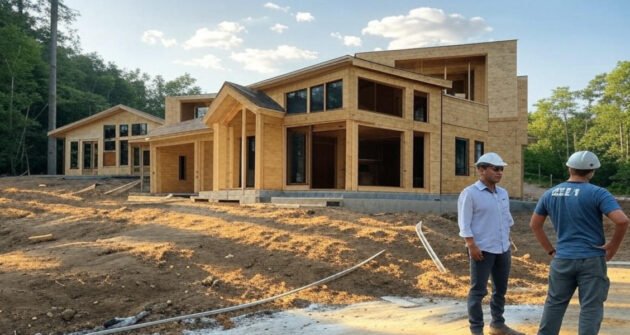
Multi-generational home builders Barrie
If you’re planning a home in Barrie that lets parents, adult kids, and grandkids live together (without anyone “accidentally” moving out), you’re in the right place. Multi-generational builds are awesome when they’re designed like a real plan… and they’re a complete circus when they’re designed like a “we’ll figure it out later” plan. Below is a builder’s guide to layouts, permits, privacy, budgets, and the practical details that make this work long-term.
Multi-generational living is back in a big way in Ontario—partly for affordability, partly for childcare, and partly because grandparents are the only people who still remember what a “reasonable bedtime” is. The key is building a home that feels like one family (when you want it) and like two homes (when you need it). That takes smart planning, realistic budgeting, and a builder who understands the details—not just the pretty renderings.
Are you building two units or one home with “zones”? Your permit path, cost, soundproofing, exits, and mechanical design all change based on this one decision.
Two kitchens + two laundries can be the difference between “this works” and “why is the budget crying?” Plan it early.
What “multi-generational” actually means in Barrie
In real life, “multi-generational” usually lands in one of three buckets:
- Single home with privacy zones: One kitchen, shared living, but separate bedroom wings, bonus sitting areas, and “quiet corners.”
- In-law suite / secondary unit inside the home: Separate entrance, kitchenette or full kitchen, dedicated bath, real sound separation.
- Accessory unit / garden suite vibe: More separate (when allowed), sometimes above a garage or in a basement walkout style setup.
The right choice depends on your land, your family, and—this is the big one—your tolerance for hearing someone’s TV through the floor at 10:30 pm.
Builder truth: The “layout” is only half the job. The other half is privacy engineering—sound, entrances, parking, mechanical zones, and exits. That’s what keeps families happy after the honeymoon phase.
Design priorities that make it work long-term
The goal is simple: togetherness without chaos. Here are the priorities I like to lock in early:
- Separate entrance (if possible)
- Sound separation plan
- Bathroom convenience
- Kitchen strategy (1 or 2?)
- Mechanical zoning
Designing the suite like a “guest room.” Guests leave. Parents move in. (Very different wear-and-tear plan.)
Sound separation is the most overlooked. If you’re building a basement or main-floor suite, plan for proper ceiling assembly, resilient channels, layered drywall, and smart mechanical routing. Nobody wants to hear the upstairs blender auditioning for a rock band.
Accessibility is the second big one. Even if everyone is mobile today, future-proofing is cheap compared to retrofits. Think: wider doors, fewer steps, blocking for grab bars, a curbless shower option, and space for a chair turn radius where it matters.
Permits in Barrie: what to expect (and how not to lose time)
Whether you’re building new or renovating, you’ll want to understand the permit path early. Barrie’s permit information is straightforward when you approach it with a complete plan (and it becomes “mysteriously slow” when you try to wing it).
Authority reference (Barrie permit info): City of Barrie – Building Permit Applications
For multi-generational homes, the big questions are usually:
- Is this a single dwelling with extra bedrooms and living space, or a secondary unit?
- Do we need a separate entrance and does it affect grade, stairs, and egress?
- Are there fire separation, ventilation, and sound-control requirements that change assemblies?
- Are we touching structure, adding plumbing, or changing HVAC in a way that needs stamped drawings?
If you’re considering ICF for the foundation or structure, it’s smart to understand the paperwork and inspection expectations early, too: Permits for ICF construction.
New build vs renovation: which is smarter in Barrie?
There’s no universal answer, but there is a universal process: compare the cost and complexity of each option before you commit.
- You have a good layout to start with
- Basement height is adequate
- Structure is friendly to change
- Parking/entrance works
- You want perfect zoning + privacy
- You need accessibility baked in
- You want high performance (quiet/comfort)
- You want a clean budget path
Renovations can be great—until the house starts “confessing” what’s behind the drywall. (Sometimes it’s insulation. Sometimes it’s a 1970s science experiment.) If you’re early in planning and you want a realistic budget path, use a spreadsheet tool to map costs and allowances: home construction estimate spreadsheet.
Cost drivers: what actually moves the budget
Multi-generational homes are not automatically expensive—but they do have “cost multipliers” you want to plan around:
- Second kitchen (or even a heavy kitchenette): cabinets, plumbing, electrical, venting, and finishes add up fast.
- Second laundry (often worth it): plumbing stack routes and floor drain strategy matter.
- Sound separation assemblies: cheap to design now, expensive to retrofit later.
- Separate entrances and stairs: grade, excavation, foundation openings, and weather protection.
- Mechanical zoning: more ducting/controls, or more hydronic planning if you’re going radiant.
If you want a ballpark understanding of Ontario-wide cost ranges before you get into finishes, start here: cost to build a house in Ontario.
Financing + tax credits: don’t leave money on the table
Two common money topics come up with multi-generational builds:
- Construction financing: draw schedules, holdbacks, contingency planning, and what the lender expects at each stage.
- Tax credits: if you’re creating a self-contained unit for a qualifying relative, you may be eligible for the MHRTC.
Here’s the official reference for the Multigenerational Home Renovation Tax Credit (MHRTC): CRA – Multigenerational Home Renovation Tax Credit.
And for the financing side (in plain English, not “bank brochure English”): construction loans for building a home.
ICF and high-performance comfort: why it matters for multi-gen living
Multi-generational homes magnify comfort issues. If one person runs hot, another runs cold, and somebody is always “just a bit drafty,” the house needs to be stable. That’s where high-performance building methods shine—especially with sound, temperature consistency, and humidity control.
If you’re considering Insulated Concrete Forms, here are two good primers to keep the conversation grounded: building with insulated concrete forms and is ICF worth it.
From the builder side, if you want to see what a full-service ICF build approach looks like (including planning and decision support), start here: custom ICF home construction.
Fire separation, exits, and “boring” details that keep everyone safe
When a home includes a suite or a semi-independent living zone, safety details matter more—not because the house is “dangerous,” but because you’re increasing how the home is used. Think of it like adding a second steering wheel to a car: you can do it, but you’d better know where the brakes are.
Depending on your design, you may be looking at requirements around:
- Fire separation between living areas
- Egress windows / safe exits
- Smoke/CO alarms and placement strategy
- Ventilation and makeup air considerations
If you’re planning a basement suite, it’s worth reviewing foundation options and how they affect headroom, windows, and comfort: ICF foundation cost.
How to choose a multi-generational builder in Barrie
The builder you want is the one who can answer the awkward questions clearly. A few examples:
- How do you design for sound separation?
- Who coordinates permits + inspections?
- How do you handle allowances and change orders?
- How do you plan mechanical zoning?
If they say “don’t worry about it” to everything, you should worry about it. (Confidence is great. Blind optimism is expensive.)
If you want a practical checklist you can use in meetings, here’s a strong starting point: questions to ask your custom home builder.
And if your project is Barrie-based and you’re considering ICF as part of the plan, you may find this useful: custom home builders in Barrie.
Timeline expectations: the honest version
Multi-generational homes can be quick or slow—mostly depending on decisions. The more you lock in early (suite strategy, kitchens, entrances, mechanical approach), the smoother the timeline. The more you “decide during framing,” the more you pay for it in both time and money.
A good builder will help you sequence choices so you’re not picking tile while still debating whether you need a second laundry. (Yes, that happens. And yes, it makes everyone tired.)
If you want the project to feel calm: finalize the suite strategy early, finalize the mechanical plan early, and choose finishes in batches. That one move alone prevents 80% of “surprise delays.”
If you’d like to talk through your property, your family needs, and the best path (single home vs suite vs hybrid), start with a quick call: Book a call with an Ontario builder. You’ll get a clearer “next step” in 15 minutes than you’ll get from 15 hours of scrolling forums (and you’ll keep your sanity).
Links used in this article follow your rule: 4 internal BuildersOntario + 4 owned external (2 ICFhome / 2 ICFpro) + 2 authority links.
Scroll sideways to see more. Cards stay the same height (no messy uneven rows).