
What Are the Most Common Mistakes First-Time Builders Make?
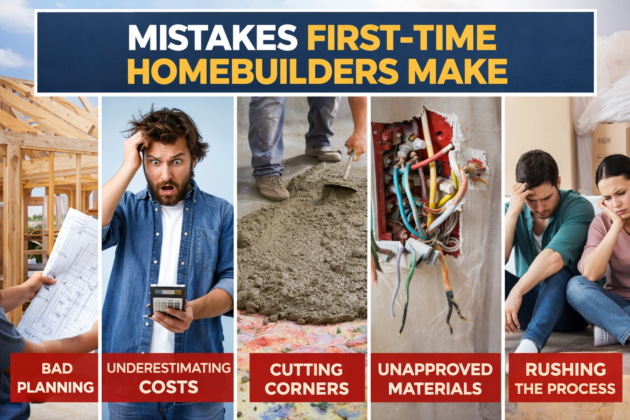
What Are the Most Common Mistakes First-Time Builders Make?
Budget Mistakes: The Most Expensive Errors
Financial mistakes represent the most painful and common errors first-time builders make. Underestimating costs, failing to plan for contingencies, and making expensive changes during construction plague countless projects.
Underestimating Total Project Costs
First-time builders almost universally underestimate what their project will actually cost. They focus on hard construction costs—materials and labor—while overlooking or minimizing numerous other expenses. Permit fees, engineering, architectural services, site preparation, utility connections, landscaping, driveways, and temporary housing during construction add tens of thousands to project costs.
The classic mistake involves budgeting for construction only, then discovering that permits cost $8,000, site servicing runs $25,000, the septic system needs $30,000, and suddenly your $400,000 construction budget requires $500,000+ total investment. Understanding the complete picture—including costs for things like septic systems if applicable—prevents devastating surprises midstream.
Add 15-20% to contractor quotes for a realistic project budget. This covers the inevitable costs you haven’t considered, changes you’ll want to make, and market conditions that affect material prices. This buffer isn’t pessimism—it’s realism based on what actually happens in construction projects.
No Contingency Fund
Professionals plan 10-20% contingency funds for unforeseen issues. First-time builders often budget to the dollar, leaving no cushion for problems. Then construction begins: the soil requires unexpected engineering, rock excavation costs triple initial estimates, supply chain issues delay materials requiring alternate choices, or hidden conditions demand solutions.
Without contingency funds, these normal construction realities force difficult choices—reduce quality, eliminate desired features, or scramble for additional financing mid-project. A 15% contingency fund covers most surprises while providing peace of mind that unexpected issues won’t derail the entire project.
Making Expensive Changes During Construction
Changes during construction cost 3-5 times more than the same decisions made during design. First-time builders often fail to finalize details upfront, then make expensive modifications as construction progresses. Moving walls, changing window sizes, relocating plumbing, or modifying electrical plans after work begins costs exponentially more than getting it right initially.
Understanding which decisions need making upfront versus during construction prevents these expensive mistakes. Invest time in thorough planning before breaking ground—the weeks spent finalizing plans save tens of thousands in change orders.
Industry experience shows first-time builders typically spend 15-25% more than initial budgets. This isn’t poor planning—it reflects the reality of construction’s complexity and the learning curve of first projects. Budget conservatively from the start, maintaining substantial contingency funds to absorb inevitable overruns without financial crisis.
Contractor and Professional Selection Mistakes
Choosing the wrong professionals wastes money while creating frustration and disappointment. First-time builders often make selection mistakes that experienced owners avoid.
Choosing Based on Price Alone
The lowest bid rarely delivers the best value. First-time builders, focused intensely on budgets, often select contractors based primarily or exclusively on price. This ignores quality, experience, reliability, and the reality that lowball quotes frequently reflect unrealistic estimates, cut corners, or incomplete scopes.
Quality contractors charge fair prices that reflect their experience, reputation, and the actual work required. Suspiciously low bids should raise red flags, not excitement. Either the contractor has underestimated the work (leading to disputes and cost overruns), plans to cut corners, or lacks the experience to price accurately. None of these scenarios serve your interests.
When selecting contractors—whether general contractors or specialists—consider reputation, experience, references, and communication quality alongside price. The modest premium for proven professionals typically saves money through efficient execution, fewer mistakes, and quality work that doesn’t require expensive corrections.
Skipping Reference Checks
First-time builders often skip thorough reference checking, trusting that contractors’ claims reflect reality. Experienced builders know better—they contact multiple past clients, ask detailed questions, visit completed projects, and verify credentials before committing.
Call at least three references for any significant contractor or professional. Ask about timeliness, communication, problem-solving, quality, budget adherence, and whether they’d hire this professional again. Visit completed projects when possible, observing quality firsthand. Verify licensing, insurance, and any claimed certifications directly with issuing organizations.
This due diligence takes hours but prevents disasters. Hiring the wrong contractor creates problems that persist throughout construction and beyond, costing far more than thorough vetting would have taken.
Poor Communication Expectations
First-time builders often fail to establish clear communication protocols with contractors and professionals. When do you receive updates? How are decisions communicated? What’s the process for questions or concerns? Without established expectations, misunderstandings proliferate and frustration builds.
Discuss and document communication expectations before starting work. Schedule regular update meetings or calls, establish preferred communication methods (email, text, phone), and agree on decision-making processes. Clear protocols prevent most communication breakdowns that plague first projects.
First-time builders often struggle with whether to hire architects before builders or vice versa. Understanding the pros and cons of each approach prevents project delays and ensures you engage professionals in the right sequence for your specific situation and priorities.
Planning and Design Mistakes
Insufficient planning causes numerous problems that proper upfront work prevents. First-time builders often underestimate how much planning successful projects require.
Rushing the Design Phase
Eager to start construction, first-time builders often rush design, leaving details unresolved until construction begins. This creates constant decision-making pressure during construction when changes cost significantly more and delays impact schedules and budgets.
Invest adequate time in design development. Finalize floor plans, elevations, major systems, and key details before construction begins. Rushing design by a month to start construction earlier typically extends total project timelines through changes and corrections that slower, thorough design would have prevented.
Ignoring Future Needs
First-time builders design for current needs without considering how requirements might change. Young couples build two-bedroom homes, then struggle when children arrive. Empty nesters create layouts incompatible with aging in place. Remote workers design homes without adequate office space.
Consider how your needs might evolve over 10-20 years. Flexible spaces that adapt to different uses provide better long-term value than highly-specific rooms. Simple planning—roughing in plumbing for future bathrooms, installing extra electrical capacity, designing adaptable layouts—costs little during construction but enables future modifications without major expense.
Neglecting Site Considerations
First-time builders sometimes design homes without thoroughly analyzing their actual building site. Solar orientation, views, wind patterns, drainage, privacy, and utility access all affect livability and construction costs. Designs developed without site-specific considerations often require expensive modifications or result in homes that don’t perform well on their actual locations.
Visit your site multiple times at different times of day and in different weather. Observe sun angles, wind patterns, drainage during rain, and how neighboring properties affect privacy and views. Design specifically for your actual site rather than creating generic plans that ignore location-specific opportunities and challenges.
Over-Personalizing Design
While your home should reflect your preferences, excessive personalization limits resale appeal and can affect financing. Banks get nervous financing unusual homes; buyers discount properties requiring extensive modification. Highly specific design choices often represent expensive investments that future owners won’t value.
Balance personal preferences with broad market appeal, especially for features that are difficult or expensive to change. Understanding which upgrades add value versus which just cost helps guide decisions toward choices that serve both your needs and maintain market appeal.
Construction Method and Material Mistakes
First-time builders often make uninformed choices about construction methods and materials, missing opportunities for better performance or making expensive mistakes.
Not Researching Modern Building Methods
Many first-time builders default to traditional wood framing without exploring alternatives that might better serve their needs. Modern methods like ICF construction deliver superior energy performance, durability, and comfort, often with total costs comparable to conventional construction when lifecycle costs are considered.
Research available construction methods before finalizing plans. Understand the pros and cons of different approaches, considering not just initial costs but long-term performance, maintenance requirements, and energy consumption. Whether ICF is worth it for your situation depends on priorities and timeline, but making this assessment requires understanding the options.
Choosing Materials Based Only on Initial Cost
First-time builders often select the cheapest materials to minimize upfront costs, ignoring lifecycle costs and performance differences. Cheap windows that leak air and fail within 15 years cost more long-term than quality windows lasting 30+ years. Bargain HVAC systems that cycle constantly and fail after 10 years are expensive compared to efficient systems lasting 20+ years.
Consider total cost of ownership—initial price plus energy consumption, maintenance, and replacement costs over expected building life. Often, modest upfront premiums for quality materials pay for themselves through reduced operating costs and longer service life. This is particularly true for components affecting energy consumption in Ontario’s climate.
Neglecting Energy Efficiency
First-time builders sometimes minimize energy efficiency investments, viewing them as luxury add-ons rather than smart investments. In Ontario’s extreme climate, superior insulation, quality windows, and efficient systems deliver ongoing savings that recover initial premiums within years while providing superior comfort for decades.
Energy efficiency improvements represent some of the few construction choices that actually profit over time. The combination of reduced operating costs and increasing energy prices means investments in efficiency become more valuable every year. Features like superior air sealing deliver comfort and savings that compound throughout the building’s life.
The ICF Decision: First-time builders often dismiss advanced construction methods like ICF as too expensive without thorough analysis. While ICF costs 10-15% more initially, the 40-60% energy savings, 100+ year lifespan, and superior comfort often make it the smart long-term choice. At minimum, evaluate modern methods seriously rather than defaulting to conventional approaches out of familiarity.
Legal and Regulatory Mistakes
First-time builders often misunderstand or neglect legal and regulatory requirements, creating problems that delay projects and increase costs.
Inadequate Contracts
Verbal agreements, vague written contracts, or overly simple contracts that don’t specify scope, timeline, payment terms, change order procedures, and dispute resolution create endless problems. First-time builders sometimes accept inadequate contracts, trusting that goodwill and common sense will resolve any issues.
Construction reality proves otherwise. Detailed, comprehensive contracts protect both owners and contractors by clearly specifying expectations, responsibilities, and procedures. Invest in proper contracts—have lawyers review significant agreements, ensure all work scope is specified in writing, and establish clear procedures for changes, delays, and problems.
Understanding mechanisms like construction liens helps protect your interests while understanding contractors’ rights and remedies. These legal tools serve important purposes; knowing how they work prevents surprises.
Misunderstanding Permit Requirements
First-time builders often underestimate permitting complexity, timelines, and requirements. They assume permits are quick rubber stamps rather than detailed review processes requiring engineered plans, multiple inspections, and adherence to comprehensive codes. This misunderstanding causes schedule delays and prevents legal occupancy.
Research permit requirements thoroughly before starting. Understand what plans and documentation inspectors require, how long reviews typically take, when inspections occur, and what triggers permit approval or rejection. Staying current with Ontario Building Code requirements ensures compliance with current standards.
Ignoring Zoning and Setback Requirements
Designing homes without verifying zoning regulations, setback requirements, height restrictions, and lot coverage limits creates problems when permit applications get rejected. First-time builders sometimes discover mid-design that their planned home violates restrictions, requiring expensive redesigns or variance applications.
Verify all zoning and regulatory requirements before finalizing designs. Obtain this information from municipal building departments, review official plans, and understand restrictions specific to your property. This upfront research prevents devastating discoveries that designs you’ve invested in are unbuildable without modifications or variances.
Budget with 20% contingency
Account for all costs including soft costs, utilities, permits
Thoroughly vet all contractors
Check references, verify credentials, visit completed projects
Finalize design before construction
Complete all major decisions during planning phase
Research construction methods
Evaluate ICF and other modern options before defaulting to traditional
Verify all regulatory requirements
Understand zoning, setbacks, permits before finalizing plans
Use comprehensive written contracts
Specify scope, timeline, payment, change procedures in detail
Choosing contractors by price alone
Lowest bid rarely delivers best value or quality
Making changes during construction
Modifications cost 3-5x more after work begins
Rushing design phase
Incomplete plans cause expensive problems during construction
Selecting cheapest materials
Ignoring lifecycle costs leads to higher long-term expenses
Neglecting energy efficiency
Missing opportunities for savings and comfort
Using verbal agreements
Lack of written contracts causes disputes and problems
Project Management Mistakes
Even with good planning and professionals, first-time builders often struggle with ongoing project management, making mistakes that affect timelines, quality, and satisfaction.
Being Too Hands-Off
Some first-time builders abdicate all responsibility to contractors, assuming professionals will handle everything perfectly without oversight. While you shouldn’t micromanage, complete absence allows problems to develop unnoticed. Regular site visits, progress meetings, and quality checks catch issues early when they’re easily corrected.
Visit the site weekly minimum during active construction. Document progress with photos, ask questions about anything concerning you, and maintain communication with your contractor. This engagement catches problems early while demonstrating that you’re paying attention—a powerful motivator for quality work.
Being Too Hands-On
Conversely, some first-time builders micromanage every detail, questioning every decision and second-guessing professionals. This creates tension, slows progress, and often leads to worse results as frustrated contractors lose motivation or leave projects.
Trust the professionals you’ve hired while maintaining appropriate oversight. Save interventions for genuine concerns rather than questioning routine decisions. If you don’t trust your contractors’ judgment on typical issues, you’ve hired the wrong people—not every decision requires owner input.
Poor Documentation
First-time builders often fail to document decisions, changes, problems, and solutions. Then disputes arise about what was agreed to, when problems were discovered, or who was responsible for certain issues. Without documentation, resolving these disagreements becomes difficult and expensive.
Document everything. Keep files of contracts, plans, change orders, correspondence, and payment records. Take regular progress photos. Note important conversations, decisions, and agreements in writing, confirming them via email. This documentation protects your interests while providing clear records if disputes arise.
Unrealistic Timeline Expectations
First-time builders often underestimate how long construction actually takes, planning unrealistic move-in dates that create pressure and disappointment. Weather delays, material availability issues, inspection schedules, and the inherent unpredictability of construction routinely extend timelines beyond initial estimates.
Add 20-30% buffer to contractor timeline estimates. This accounts for the inevitable delays that affect virtually all projects. Planning for a 10-month construction? Budget 12-13 months before expecting occupancy. This buffer prevents crisis if delays occur while allowing pleasant surprise if construction proceeds smoothly.
Learning from Others’ Mistakes
First-time builders make predictable mistakes that experienced owners avoid. Understanding these common pitfalls doesn’t guarantee a problem-free project—construction involves inherent challenges and uncertainties. However, awareness of typical errors dramatically improves your odds of a successful build that stays on budget, finishes reasonably on schedule, and delivers a home you’ll love.
The financial mistakes—inadequate budgets, no contingencies, expensive changes—cause the most severe problems. Budget conservatively with substantial contingency funds. Finalize designs thoroughly before construction begins. Recognize that changes during construction multiply costs exponentially. These financial disciplines prevent the budget catastrophes that plague many first projects.
Contractor selection determines project success as much as any other factor. Don’t choose based solely on price—consider experience, reputation, communication, and quality. Check references thoroughly. Use comprehensive written contracts. Establish clear communication protocols. The modest premium for proven professionals delivers exponential value through quality work, efficient execution, and problem-solving expertise.
Planning thoroughness separates successful builds from problematic ones. Invest adequate time in design, finalizing details before construction. Research construction methods and materials, making informed choices rather than defaulting to familiar options without evaluation. Consider both immediate and long-term needs, creating flexible homes that adapt as your life changes.
Understand and respect regulatory requirements. Obtain proper permits, follow code requirements, verify zoning restrictions before finalizing plans. These legal foundations protect your investment and prevent problems that arise when cutting corners or ignoring requirements.
Finally, maintain appropriate project involvement—engaged oversight without micromanagement. Document everything, visit regularly, communicate clearly, and address problems promptly. Trust the professionals you’ve hired while maintaining vigilance about your interests. This balanced approach maximizes the chance of success while maintaining positive working relationships that serve the project.
Building your first home represents a significant undertaking full of decisions, challenges, and opportunities. Learning from others’ mistakes helps you avoid the most expensive pitfalls while focusing energy on the countless other decisions requiring attention. With thorough planning, careful professional selection, realistic budgets, and appropriate oversight, your first build can proceed smoothly, delivering the home you’ve envisioned without the financial disasters and frustrations that plague those who make the common mistakes this guide has highlighted.
Scroll sideways to see more. Cards stay the same height (no messy uneven rows).