Ontario's Plain-English Guide to Custom Home Building📞 705-533-1633 | ☎️ 1-866-868-6606 | ✉️ info@icfhome.ca

Solar Water Heating in Southern Ontario: The Real Story
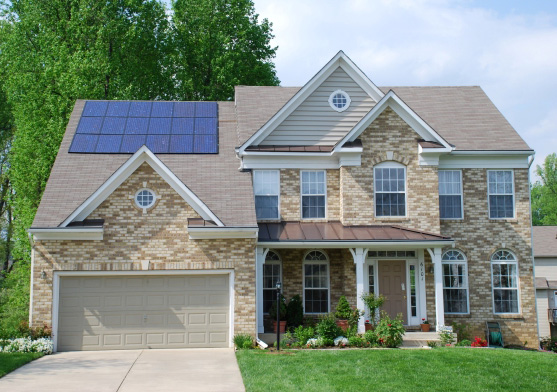
Solar thermal
Ontario winter reality
Freeze protection matters
Usually a preheat system
Solar Water Heating in Ontario: The Real Story on Cost, Savings, Freeze Protection, and Whether It Makes Sense Here
Let’s start with the part most brochures politely dance around. Solar water heating in Ontario is real, practical, and worth talking about — but it is not magic. It is not a license to throw your regular water heater into a ditch, stand on the roof in January, and shout “the sun has taken it from here.” Ontario does not work like that. Solar hot water here is usually a preheat system, which means the sun helps with your domestic hot water load and your backup heater finishes the job when the weather is uncooperative.
That may sound less exciting than the fantasy version, but it is actually the useful version. Water heating is a year-round load. Unlike house heating, it does not disappear in summer. You need it in July, in November, and on that ugly March morning when winter is supposed to be done but clearly did not get the memo. That is why solar thermal is still interesting in Ontario. It can reduce a meaningful chunk of your water-heating energy use, especially on homes that have decent solar exposure and owners who think longer than the next utility bill.
The problem is that people tend to approach solar hot water in one of two bad ways. Some assume it is a warm-climate toy that cannot possibly work here. Others assume it is a plug-and-play savings machine that works exactly the same in Southern Ontario as it does in places that do not have hard freezes. Both views miss the point. Solar hot water can work here, but only when the system is designed for Ontario reality: freeze protection, backup heating, proper storage, smart plumbing layout, and enough sunlight to justify the effort.
Fast answer: solar water heating can make sense in Ontario, especially as a solar preheat system for domestic hot water. The right house, the right roof, the right storage setup, and the right expectations matter far more than the sales pitch.
What solar hot water does well
- Preheats domestic hot water year-round
- Can reduce a noticeable share of water-heating energy use
- Pairs well with thoughtful high-performance builds
- Can be stronger than people expect in shoulder seasons
What people get wrong
- Assuming it replaces backup heating completely
- Ignoring freeze protection in Ontario
- Forgetting roof orientation and shading
- Treating the tank and plumbing layout like afterthoughts
Best-fit projects
Homes with decent solar exposure, owners who plan to stay long term, and projects where roof design, plumbing routes, mechanical room space, and energy planning are being handled intelligently from the start.
What solar water heating actually is
Solar water heating, also called solar domestic hot water or solar thermal, uses roof-mounted collectors to gather heat from the sun and transfer that heat into a storage tank. In Ontario, that usually means a collector on the roof, a heat-transfer loop, a storage tank, a controller, and a backup water heater or backup heat source to finish the job when solar input is not enough.
The important word there is heat, not electricity. This is different from solar photovoltaic panels. Solar PV makes electricity. Solar thermal captures heat. It is a simpler mission in one sense, because you are not turning sunlight into electricity and then electricity into hot water. You are just collecting heat and moving it where it is useful.
That is part of why the technology remains interesting. Domestic hot water is a direct thermal use. But because this is Ontario and not somewhere with gentle winters and lazy sunshine, you have to design for freezing weather, variable sun, and months when the collectors are helping rather than carrying the whole load.
Plain-English version: solar hot water in Ontario is not “sun-only hot water.” It is usually “sun helps first, backup finishes the job.”
Why solar hot water still matters in Ontario
People often assume solar thermal is less relevant because solar electricity gets more attention. That is not completely wrong, but it is incomplete. Solar water heating still matters because water heating is one of the steady energy uses in a house. You shower in summer. You wash dishes in fall. You still need hot water when the furnace is not running much. That year-round demand is exactly why solar domestic hot water remains a practical conversation.
In a well-planned system, the collectors harvest solar heat when available and store that benefit for domestic use. In the warmer months, the sun can carry a much bigger share of the water-heating job. In the colder months, the sun often acts more like an assistant than a hero. That may not sound glamorous, but shaving part of a year-round load is still useful.
And this is where homeowner expectations matter. The right mental model is not “free hot water forever.” The right mental model is “reduced energy use for hot water over many years, with stronger contribution in sunny periods and backup still in place when Ontario behaves like Ontario.”
The Ontario climate problem: freeze protection is not optional
This is one of the biggest separators between solar hot water that works in Ontario and solar hot water that turns into expensive rooftop regret. Water freezes. Frozen water expands. Expanded frozen water inside the wrong collector or pipe run can destroy things very efficiently.
That is why Ontario-friendly systems are not the same as simple warm-climate passive systems. A proper cold-climate setup usually uses an indirect system with a heat-transfer fluid in the collector loop rather than sending domestic water straight through roof piping all year long. That heat-transfer loop then gives up its heat through a heat exchanger into the domestic water side.
In other words, the system is designed so the roof side can survive winter while still helping the house. That design approach is not a luxury add-on. It is the difference between a real Ontario solar water heating system and a nice idea with a short life expectancy.
| System Approach | Why It Matters in Ontario | Main Concern |
|---|---|---|
| Indirect solar thermal system | Uses a heat-transfer loop to help protect against freeze issues | Needs proper design and maintenance |
| Simple passive warm-climate style system | Usually not realistic for full Ontario winter exposure | Freeze damage risk |
Flat-plate collectors vs evacuated tubes
Most homeowners eventually run into this comparison. Flat-plate collectors are the simpler, more familiar style. Evacuated tubes look more high-tech and are often pitched as the better cold-weather choice. The truth is less dramatic than the sales material on both sides suggests.
Flat-plate collectors can work very well and have a long track record. They are often simpler and can be cost-effective. Evacuated tubes can offer advantages in colder conditions and in situations where heat retention matters more. But the “better” collector depends on the full system, the budget, the installer’s experience, and the actual house.
This is exactly why homeowners should stop trying to choose collectors in isolation. Roof pitch, available area, shading, tank size, backup equipment, and use pattern all affect whether one collector type is genuinely a better fit or just a fancier line item.
What the roof and the house need to cooperate
Solar hot water is not just a collector decision. It is a roof decision, a plumbing decision, and a mechanical-room decision. A roof with decent southern exposure, minimal shading, and enough usable space makes the conversation much easier. A roof broken up by dormers, shade trees, vents, and awkward geometry makes it harder.
Then there is the inside of the house. You need room for storage, piping routes that make sense, and a backup heating plan that works gracefully with the solar side. If the collector is the thing homeowners notice, the tank and piping are the parts that decide whether the whole job feels well thought out or cobbled together.
This is also why “solar-ready” thinking matters on new builds. Planning roof orientation, mechanical room space, and future piping routes early is a lot cleaner than trying to wedge the whole idea into a house that was designed as though the sun and the plumbing would never meet.
Solar hot water is usually a preheat system, not a replacement system
This is the piece homeowners need to hear clearly. In Ontario, solar water heating usually makes the most sense as a preheat system. The sun warms the water or the storage tank first. Then the regular water heater or backup source only has to lift the water the rest of the way to the target temperature.
That means your existing or planned backup heater still matters. It may be electric, gas, propane, or another system depending on the house, but it remains part of the overall design. If someone talks about solar thermal as though it eliminates the need for backup domestic hot water in our climate, they are selling excitement instead of reality.
The good news is that a preheat system can still be useful. It reduces the amount of work the backup heater has to do, especially over the course of a year. It does not have to carry the whole load to be worthwhile.
What solar water heating costs really depend on
Like most things in residential construction, the wrong question is “What does it cost?” and the better question is “What drives the cost on this specific project?” Solar hot water cost depends on the collector type, roof complexity, storage setup, plumbing routes, controls, backup integration, and installation conditions.
A simple house with straightforward access and a clean mechanical plan is one thing. A fussy roof, crowded mechanical room, long plumbing runs, and awkward retrofit conditions are another. That is why two houses with similar square footage can have noticeably different solar thermal pricing.
- Collector type: collector choice changes equipment cost and sometimes layout flexibility.
- Storage tank setup: more elegant systems usually need more thoughtful tank planning.
- Roof access and mounting: some roofs cooperate better than others.
- Backup integration: the solar side still has to work cleanly with the main water-heating setup.
- Installation complexity: retrofit pain is usually more expensive than new-build foresight.
Who usually gets the best value from it
Solar water heating tends to make the most sense for homeowners who think in long horizons. If someone is planning to stay in the house, wants to reduce part of a steady year-round energy load, and already cares about better mechanical planning, solar thermal is worth a serious look.
It can also be a better fit where the house already has a strong overall efficiency story. A thoughtful envelope, smart mechanical design, and realistic energy planning tend to make every energy upgrade work better together. In other words, solar hot water looks stronger in a house that was planned like a system rather than a collection of random upgrades.
If the house is being designed or updated with broader energy planning in mind, it is also worth understanding the building load properly. That is where OntarioHeatLoss.ca fits naturally into the conversation. It is not because solar thermal heats the house directly in the same way a main heating system does, but because good mechanical planning gets stronger when you stop guessing and start sizing things around reality.
When solar water heating is probably not the smartest move
Not every house should do this. Heavy roof shading, poor solar access, awkward roof geometry, no mechanical room flexibility, or very short ownership plans can all weaken the case. Sometimes a homeowner likes the idea emotionally, but the house is just not a good candidate.
There is also a “too many moving parts” problem. If the project already has a tight budget and the basic envelope and mechanical priorities are not yet handled well, solar thermal may not be the first place to spend money. Better insulation, airtightness, or other core efficiency measures can sometimes offer cleaner value first.
That does not mean solar hot water is a bad technology. It means good projects are built by putting money in the right place at the right time instead of collecting fancy upgrades like hockey cards.
Builder truth: a house with poor fundamentals does not become sensible just because you put solar collectors on the roof.
What to ask before you say yes
- How much usable solar exposure does this roof actually have?
- What kind of freeze-protected system is being proposed for Ontario conditions?
- How is the solar side integrating with the backup water heater?
- Where is the storage tank going, and what space does it need?
- What maintenance does the system require over time?
- What does the expected savings look like for this actual house, not an imaginary ideal house?
If the answers are vague, the project is still in brochure territory, not decision territory.
FAQ: Solar Water Heating in Ontario
Does solar water heating actually work in Ontario winters?
Yes, but not in the fantasy way people sometimes imagine. In Ontario, solar hot water is usually part of a system with proper freeze protection and a backup heater. The solar side helps capture useful heat when available, but winter performance is still lower than summer performance, so backup remains part of the design.
Can solar hot water replace my regular water heater completely?
Usually no. In Ontario, the realistic approach is to treat it as a solar preheat system. The sun helps warm the water first, and the main water heater finishes the job when solar input is not enough. That is the practical version, and it is the version homeowners should plan around.
What is the difference between solar water heating and solar panels?
Solar water heating collects heat directly for domestic hot water. Solar panels, meaning solar photovoltaic panels, generate electricity. They are related only in the sense that they both use sunlight. The equipment, purpose, and system design are different.
Is freeze protection really that important?
In Ontario, yes. Absolutely. This is not a decorative detail. A system that is not designed with freeze protection in mind can suffer serious damage. Cold-climate solar water heating is fundamentally about surviving winter while still delivering useful performance through the year.
Are evacuated tube collectors better than flat-plate collectors?
Sometimes, but not automatically. Evacuated tubes can offer advantages in colder conditions and some performance situations. Flat-plate collectors can still be very good and may be more cost-effective depending on the house and system design. The better choice depends on the actual project, not just the marketing pitch.
What kind of roof works best for solar hot water?
A roof with good solar exposure, limited shading, and enough usable area makes the conversation much easier. South-facing is ideal, but real-world roofs are not always ideal, so the installer needs to assess the actual conditions. Shade, awkward roof geometry, and limited mounting space can all weaken the case.
Does solar hot water save enough money to be worth it?
It can, especially for homeowners planning to stay long term and for houses with good solar exposure and sensible system design. But the value depends on the installed cost, the backup system, the house’s hot water use pattern, and whether the system was planned intelligently rather than forced awkwardly into the project.
Can solar water heating work with radiant floor heating too?
It can be integrated into broader thermal strategies, but residential domestic hot water is still the more common and cleaner use. Once you start combining systems, the design complexity increases and the planning needs to be much more disciplined. That is not a reason to avoid it. It is a reason not to fake your way through it.
Is solar hot water a good retrofit project?
It can be, but retrofit difficulty varies a lot. A house with a cooperative roof, reasonable plumbing access, and mechanical room space is very different from one where every useful connection feels like threading a pipe through a maze. New construction or major renovations usually make the integration easier.
What is the biggest mistake homeowners make with solar water heating?
Treating it like a plug-and-play miracle instead of a mechanical system. The roof, storage tank, freeze protection, backup heater, and actual solar exposure all matter. When those things are handled properly, solar hot water can be a sensible upgrade. When they are treated casually, the whole idea gets more expensive and less impressive very quickly.
The honest conclusion
Solar water heating in Ontario is neither a fantasy nor a miracle. It is a real technology with real strengths and real limits. That is actually good news, because useful building decisions are usually the ones that survive reality instead of hiding from it.
When the roof has decent exposure, the system is designed for freeze protection, the storage and backup setup are handled properly, and the homeowner understands that this is usually a preheat strategy rather than a total replacement strategy, solar hot water can be a smart long-term upgrade. When those things are ignored, it becomes a surprisingly expensive lesson in why climate matters.
So yes, the sun can help heat your water in Ontario. It just works best when the rest of the house has also been designed by people who know what season it is.
Latest posts
Fresh guides, calculators, and “don’t-do-that” tips
Scroll sideways to see more. Cards stay the same height (no messy uneven rows).
Loading latest posts…
Tip: shift + mousewheel works great