
What Are the ‘Forever Home’ Features We Should Include in Our Custom Home?
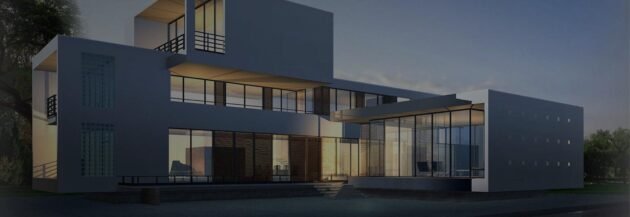
What Are the ‘Forever Home’ Features We Should Include in Our Custom Home?
Understanding the Forever Home Concept
“Forever home” means different things to different people, but the concept centers on creating residences that adapt gracefully to changing needs without major renovations. This differs from simply building your dream home—it requires anticipating how life evolves over 30-50 years and planning accordingly.
Key Forever Home Principles
Successful forever homes balance three sometimes-competing priorities: immediate enjoyment, future adaptability, and broad market appeal. You want a home you love today that can accommodate mobility changes tomorrow while remaining attractive to potential buyers if circumstances force eventual sale.
This balance requires careful consideration during the planning phase. Understanding which decisions need making upfront helps incorporate forever home features during initial construction when they’re most economical, rather than attempting expensive retrofits decades later.
Universal design principles guide much forever home planning. These design approaches create environments usable by people of all ages and abilities without appearing institutional or medical. Wide doorways, zero-step entries, and lever door handles serve everyone more comfortably—young families with strollers, active adults with armloads of groceries, and older adults with mobility aids—while looking completely normal.
The 20-Year Test: When making design decisions, ask: “Will this still work well when I’m 20 years older?” If you’re 40 now, will stairs be manageable at 60? If you’re 60, will you navigate this layout comfortably at 80? This simple question reveals design choices that age poorly versus those that remain functional indefinitely.
Essential Accessibility Features
Accessibility features represent the core of forever home design, enabling comfortable living regardless of mobility changes. Implemented thoughtfully, these features enhance convenience for everyone while future-proofing for potential needs.
Single-Level Living
The single most important forever home feature is main floor living—complete primary living spaces (bedroom, bathroom, kitchen, laundry) on the home’s entry level with no stairs required for daily activities. This doesn’t mean avoiding second floors entirely—additional bedrooms, offices, or recreation spaces upstairs work fine provided all essential functions exist on one level.
Single-level living serves multiple life stages. Young families with small children appreciate avoiding stairs constantly. Middle-aged adults with temporary injuries (broken legs, surgeries) remain independent. Older adults maintain autonomy as stairs become challenging. This flexibility makes single-level homes universally desirable, enhancing both long-term livability and resale value.
Zero-Step Entry
At least one home entrance should have no steps—level from outside to inside. This dramatically improves accessibility for wheelchairs, walkers, strollers, and delivery carts while looking completely normal. Achieve this through proper grading (bringing grade up to door height) or minimal ramp slopes (1:12 maximum) integrated into landscape design.
Zero-step entries cost minimally during initial construction but prove expensive to retrofit. Plan this feature from the start, coordinating with site grading and foundation design to achieve level entries naturally where possible.
Wide Doorways and Hallways
Standard residential doors (30-32 inches) barely accommodate wheelchairs and make furniture moving difficult. Forever homes use 36-inch minimum doors throughout with 42 inches preferred for primary circulation paths. Similarly, hallways should be 42-48 inches wide minimum, allowing easy wheelchair navigation and comfortable passage when carrying items.
These wider openings cost minimally more during construction—just slightly wider rough openings and doors—but retrofitting proves expensive requiring wall modifications. Specify wider openings during initial design when they’re essentially free upgrades.
Accessible Bathrooms
Forever home bathrooms plan for future accessibility while remaining attractive today. Key features include:
- Curbless showers: Zero-threshold walk-in showers accommodate wheelchairs or walkers while looking luxurious. Install proper waterproofing and drainage sloping during construction—retrofitting proves challenging.
- Reinforced walls: Install blocking (plywood or dimensional lumber) behind bathroom walls at grab bar heights (33-36 inches) even if not installing bars initially. Adding bars later becomes simple versus tearing into finished walls.
- Adequate space: Design bathrooms with 5-foot turning radius for wheelchair maneuverability. This space benefits everyone, making bathrooms feel more spacious and luxurious.
- Adjustable showerheads: Install handheld showerheads on slide bars allowing easy height adjustment and seated showering if ever needed.
- Comfort-height toilets: Install toilets 17-19 inches high (versus standard 15 inches), making sitting and standing easier for all ages while looking completely standard.
Kitchen Accessibility
Forever home kitchens balance functionality with accessibility through thoughtful design rather than institutional appearance:
- Varied counter heights: Include 30-inch sections alongside standard 36-inch counters for seated work and accessibility without making the entire kitchen look unusual.
- Pull-out shelving: Use pull-out drawers, lazy susans, and roll-out trays maximizing accessibility while improving functionality for everyone.
- Side-opening ovens: Wall ovens with side-opening doors allow safer access than reaching over traditional drop-down doors, reducing burn risks.
- Adequate lighting: Install abundant, adjustable task lighting compensating for vision changes with aging while improving cooking safety and precision.
- Lever faucets: Use single-lever faucets easily operated with one hand or limited dexterity versus traditional dual knob designs.
Studies show 87% of adults over 65 want to remain in their current homes as they age. However, only 10% of homes have accessibility features supporting this desire. Building accessibility into new construction costs 0-2% extra but retrofitting typically costs 5-15% of home value, often proving impractical. Forever home features represent smart investment protecting independence and avoiding future expense.
Flexible, Adaptable Spaces
Beyond physical accessibility, forever homes incorporate flexible spaces adapting to changing needs without major reconstruction. Life evolves—children grow, careers shift, hobbies change, elderly parents move in—and homes should accommodate these transitions gracefully.
Multi-Purpose Rooms
Design rooms serving multiple potential uses rather than single-purpose spaces. A main-floor guest bedroom doubles as an office now and converts to a primary bedroom later if stairs become problematic. A flex room serves as a playroom today, home gym tomorrow, and hobby space in retirement. This flexibility extends home lifespan by adapting rather than requiring major renovations.
Enable this flexibility through neutral finishes, adequate electrical capacity, and avoiding built-ins that lock spaces into specific uses. Flexible spaces should have good natural light, adequate electrical outlets, proper HVAC, and proportions supporting various furniture arrangements.
Multigenerational Living Potential
Even if not currently needed, consider multigenerational living potential. Aging parents moving in or adult children returning home represents increasingly common scenarios. Features supporting this include:
- Main-floor bedroom and full bathroom allowing independent quarters
- Separate entrance options creating privacy while maintaining connection
- Kitchenette rough-in capability (plumbing and electrical) in lower level or wing
- Sound isolation between living zones through proper wall construction and thoughtful layout
- Adequate parking for multiple vehicles
These features cost little during initial construction but enable major lifestyle flexibility later. You may never need them, but if circumstances require multigenerational living, having the infrastructure makes adaptation simple rather than impossible.
Home Office Capability
Remote work continues expanding, making dedicated office space increasingly essential. Forever homes include proper home office capability: quiet location away from household noise, excellent natural light, abundant electrical outlets, strong internet connectivity, and door providing privacy and focus.
Even if not currently working from home, a proper office space serves many purposes throughout life: homework space for children, hobby room, administrative center for household management, or actual office as careers evolve. This flexibility makes proper office infrastructure a valuable forever home feature.
The Roughed-In Advantage: For features you might need later, rough in infrastructure during construction even if not finishing immediately. Roughing in bathroom plumbing, basement kitchen plumbing, additional HVAC zones, or electrical circuits costs minimally during construction but saves thousands later. This “build in potential” approach creates future flexibility at minimal current cost.
Future-Proof Infrastructure
Technology, building codes, and lifestyle expectations evolve constantly. Forever homes anticipate these changes through infrastructure investments that enable future upgrades without major reconstruction.
Electrical System Over-Capacity
Install electrical service and panels larger than current needs anticipate. If current calculations suggest 150-amp service suffices, install 200-amp. If you need 20 circuits, install a 40-circuit panel. This over-capacity costs minimally during construction but accommodates future additions—electric vehicle charging, heat pumps, additional circuits, or expanded systems—without expensive electrical service upgrades.
Similarly, run extra conduit to the electrical panel, garage, and key locations allowing easy future wire pulling without opening walls. This “pathway” approach enables technology upgrades throughout the home’s life without destructive retrofitting.
Technology Infrastructure
Wire homes with robust data networking infrastructure. Run Cat6 or fiber to every room, ceiling locations for access points, and central equipment closet. While wireless technology dominates currently, wired backbones provide reliability and capacity wireless can’t match, particularly as device counts and bandwidth needs grow.
Install conduit pathways allowing future technology additions without wall destruction. Technology evolves unpredictably—the infrastructure enabling adaptation matters more than predicting specific future needs. Flexible infrastructure accommodates whatever technologies emerge.
HVAC Zoning and Capacity
Design HVAC systems with multiple zones allowing independent temperature control of different home areas. This improves comfort and efficiency while enabling eventual conversion of spaces (basement to living area, garage to workshop) without complete HVAC redesign.
Consider installing slightly oversized HVAC capacity anticipating potential additions or changes. The modest cost difference during installation provides flexibility for future modifications without complete system replacement. For homes considering efficient systems like radiant floor heating, proper infrastructure planning during construction enables economical installation.
Plumbing Rough-Ins
Rough in plumbing for potential future needs: basement bathroom, wetbar, outdoor kitchen, or additional laundry. Running drains and supply lines during construction costs hundreds; adding them later costs thousands through concrete cutting and wall destruction. Even if not finishing these spaces immediately, roughed-in plumbing creates options.
Building codes continuously tighten, particularly regarding energy efficiency and accessibility. Understanding current code requirements helps anticipate future standards. Homes meeting or exceeding current codes better accommodate future updates without major retrofits. Features that are optional today often become requirements tomorrow—implementing them proactively protects long-term value.
Durability and Low-Maintenance Features
Forever homes minimize ongoing maintenance through durable material selection and thoughtful design. Reducing maintenance burden becomes increasingly important with aging or as energy for home upkeep diminishes.
Durable Building Envelope
The building envelope—exterior walls, roof, windows, doors—fundamentally affects long-term maintenance and performance. Investing in superior envelope construction pays decades-long dividends through reduced maintenance, lower operating costs, and enhanced comfort.
Advanced construction methods like ICF construction deliver exceptional durability with 100+ year lifespans, superior energy performance, and minimal maintenance. Whether ICF is worth it depends on priorities, but the 10-15% construction premium often proves wise investment for homes intended for long-term occupancy.
The superior air sealing ICF provides creates comfortable, efficient homes requiring less energy to heat and cool—increasingly valuable as energy costs rise and physical ability to manage high utility bills potentially diminishes in retirement.
Low-Maintenance Materials
Select materials minimizing upkeep requirements:
- Exterior finishes: Fiber cement, brick, stone, or quality vinyl siding requiring no painting versus wood requiring regular maintenance
- Roofing: Metal or high-quality architectural shingles (30-50 year) versus basic shingles needing replacement every 15-20 years
- Windows: Quality vinyl or fiberglass windows versus wood requiring periodic painting and maintenance
- Flooring: Luxury vinyl plank, tile, or sealed concrete versus carpet requiring regular replacement or hardwood needing refinishing
- Countertops: Quartz, solid surface, or quality laminate versus materials requiring periodic sealing or special care
These material choices cost more initially but reduce lifetime maintenance dramatically. For forever homes where you’ll bear all future maintenance costs rather than selling and making it someone else’s problem, this long-term perspective justifies upfront investment in low-maintenance solutions.
Simplified Landscaping
Design landscapes requiring minimal ongoing maintenance: native plantings needing little water or care, minimal lawn area reducing mowing requirements, perennial gardens versus annuals requiring replanting, and irrigation systems reducing watering labor. As physical ability for yard work potentially declines, low-maintenance landscaping preserves home’s curb appeal without excessive burden.
The Maintenance Test: For every material or design choice, ask: “Will I want to maintain this when I’m 75?” Extensive flower beds, large lawns, wood decks needing staining, or other maintenance-intensive features may appeal now but become burdens later. Choose options you’ll still manage comfortably decades hence, preserving both home quality and personal energy.
Energy Efficiency for Long-Term Economics
Energy efficiency represents one of few home features that actually profits over time through ongoing operational savings. For forever homes where you’ll pay utility bills for decades, efficiency investments recover costs while improving comfort.
Superior Insulation and Envelope
Invest in exceptional building envelope performance: high insulation values (R-40+ walls, R-60+ attic in Ontario), triple-pane windows, and superior air sealing. These features cost 5-15% more during construction but reduce heating/cooling costs 40-60%, recovering investment within 10-15 years while providing enhanced comfort for life.
In Ontario’s climate, envelope performance matters tremendously. The energy savings compound year after year as utility rates increase, making efficiency investments increasingly valuable with time. For homes you’ll occupy 30-50 years, this long-term perspective strongly favors upfront efficiency investment.
Efficient Mechanical Systems
Install high-efficiency HVAC systems, heat pumps, or other advanced mechanical systems appropriate for your climate and home design. While more expensive initially, efficient systems reduce operating costs substantially while often providing superior comfort through better temperature and humidity control.
Consider renewable energy potential—solar panels, geothermal systems—if economics justify investment for your situation. These systems deliver increasing value as utility rates rise and systems age toward payback, particularly attractive for long-term homeownership.
LED Lighting Throughout
Install LED lighting throughout the home. LEDs use 75-85% less electricity than incandescent bulbs, last 15-25 years versus 1 year for incandescents, and generate less heat reducing cooling loads. For fixtures you’ll use for decades, LED economics strongly favor upfront investment despite higher initial costs.
Understanding which upgrades add value reveals that energy efficiency represents one of few improvements actually recovering costs at resale while delivering ongoing operational savings during ownership. This dual benefit—enjoying savings during occupancy and recovering investment at sale—makes efficiency particularly attractive for forever homes whether you stay indefinitely or eventually need to sell.
Single-level primary living
Bedroom, bathroom, kitchen, laundry all on entry level
Zero-step entry
At least one level entrance through proper grading or minimal ramp
36″ minimum doorways
Throughout home, with 42″ for primary circulation paths
Curbless shower with grab bar blocking
Zero-threshold shower with reinforced walls for future bars
Flexible room design
Multi-purpose spaces adapting to changing needs
Over-capacity infrastructure
Electrical, HVAC, plumbing roughed-in beyond current needs
Superior building envelope
ICF or advanced framing with exceptional insulation and air sealing
Low-maintenance materials
Durable exteriors, long-life roofing, quality windows
Efficient mechanical systems
High-efficiency HVAC, heat pumps, or advanced systems
Robust technology infrastructure
Wired networking, conduit pathways, over-capacity electrical
Multigenerational potential
Main floor suite capability, separate entrance options
Simplified landscape design
Low-maintenance plantings, minimal lawn, irrigation
Safety and Security Features
Safety and security matter increasingly with aging and for homes occupied long-term where establishing secure, comfortable environments pays decades-long dividends.
Lighting Design for Safety
Comprehensive lighting prevents falls and accidents—the leading cause of injury for older adults. Forever homes include abundant lighting: pathway lighting, stair lighting, motion-activated exterior lights, and easily-accessible switches at room entries. Avoid single-switching where occupants must cross dark rooms to reach switches.
Install night lights or low-level lighting in hallways and bathrooms, automatically illuminating pathways during nighttime without harsh bright lights disrupting sleep.
Non-Slip Surfaces
Select flooring with slip-resistant properties, particularly in bathrooms, kitchens, entries, and other areas exposed to water. Avoid high-gloss tiles or finishes becoming slippery when wet. This benefits all occupants—young and old—while specifically protecting against falls that become increasingly dangerous with aging.
Fire Safety Systems
Install comprehensive fire safety: interconnected smoke and carbon monoxide detectors, fire sprinkler systems if budget allows, and fire-resistant construction materials. These features protect occupants throughout the home’s life while providing peace of mind, particularly important as reaction times potentially slow with aging.
Security Infrastructure
Pre-wire for comprehensive security systems even if not installing immediately: door/window sensors, motion detectors, cameras, and monitoring capability. As homes age and occupants potentially become more vulnerable, security systems provide both actual protection and psychological comfort enabling confident aging in place.
Building for Life’s Journey
Creating a true forever home requires looking beyond immediate needs toward how life evolves over decades. The decisions you make during initial construction profoundly affect livability, comfort, and independence throughout the home’s life—and yours within it. While impossible to predict every future need, thoughtful planning incorporating universal design principles, flexible spaces, and robust infrastructure creates homes adapting gracefully to whatever circumstances arise.
Prioritize the essentials: single-level primary living, zero-step entries, wide doorways, and accessible bathrooms. These core features cost minimally during initial construction but prove expensive or impossible to add later. They transform homes from serving only immediate needs to supporting comfortable, independent living regardless of mobility changes or life stage transitions.
Invest in future-proof infrastructure. Over-capacity electrical systems, plumbing rough-ins, HVAC zoning, and technology pathways enable adaptations throughout the home’s life without major reconstruction. This infrastructure flexibility accommodates technology evolution, changing needs, and unexpected circumstances that would otherwise require expensive retrofits or prevent desired modifications entirely.
Select durable, low-maintenance materials and systems. Forever home occupants bear all future maintenance and replacement costs—there’s no “selling and making it someone else’s problem.” This long-term perspective justifies upfront investment in quality materials and efficient systems reducing ongoing operational and maintenance burden. The modest construction premiums for superior materials pay back many times over through reduced maintenance, lower operating costs, and extended service life.
Energy efficiency deserves particular emphasis for forever homes. The 40-60% operational savings from superior envelopes and efficient systems compound year after year, recovering initial premiums while providing enhanced comfort for decades. In Ontario’s climate, envelope performance dramatically affects both comfort and operating costs—investments here profit financially while improving daily living experience throughout your occupancy.
Balance forever home features with resale considerations, even if you intend to stay indefinitely. Life changes unpredictably—careers, health, family situations—and maintaining broad market appeal provides options if circumstances force eventual sale. Fortunately, most forever home features enhance rather than limit appeal. Accessible bathrooms, single-level living, and energy efficiency attract broad buyer pools, not just those with specific accessibility needs. Thoughtfully implemented universal design looks modern and desirable to everyone.
Remember that forever home design isn’t about creating medical facilities or institutional spaces—it’s about crafting beautiful, functional homes that happen to serve occupants comfortably across life’s full journey. Modern universal design principles enable this through accessible features that simply look like good design rather than specialized accommodations. Wide doorways appear generous. Curbless showers look luxurious. Single-level living feels spacious. When executed thoughtfully, accessibility enhances aesthetics while improving functionality.
Finally, recognize that building a forever home represents optimism about the future—confidence that you’re creating a space supporting your life for decades to come. This optimistic perspective justifies the additional planning, thoughtfulness, and investment forever home features require. You’re not just building for today—you’re crafting an environment enabling independence, comfort, and quality of life across all the years ahead. This long-term vision transforms construction projects from simple house-building into creating true homes supporting full, independent, comfortable lives regardless of what challenges or changes those lives might bring.
Scroll sideways to see more. Cards stay the same height (no messy uneven rows).