Ontario's Plain-English Guide to Custom Home Building📞 705-533-1633 | ☎️ 1-866-868-6606 | ✉️ info@icfhome.ca
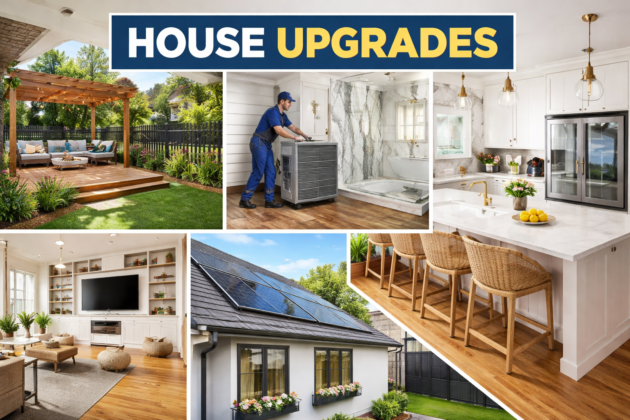
Which Upgrades Actually Add Value vs. Just Cost?
Home Value
Upgrade Analysis
Investment Guide
Which Upgrades Actually Add Value vs. Just Cost?
Not all construction upgrades deliver equal returns. Some improvements add substantial resale value while enhancing your daily enjoyment. Others simply increase costs without meaningful impact on market value or lifestyle. Understanding which upgrades deliver real returns versus which represent pure expense helps allocate your budget wisely, whether you’re building new, renovating extensively, or planning targeted improvements. This guide examines which investments pay dividends and which burn money, helping you make informed decisions that protect both your satisfaction and your financial investment.
70-100%
High-Return Upgrade ROI
30-50%
Low-Return Upgrade ROI
$15K-50K
Typical Kitchen ROI
Understanding Upgrade Value: ROI vs. Personal Enjoyment
Before examining specific upgrades, it’s crucial to understand that “value” has two distinct dimensions. Financial value—return on investment when selling—differs from personal value—daily enjoyment and quality of life improvements. Smart upgrade decisions balance both considerations based on your timeline and priorities.
If you’re planning to sell within 5 years, financial ROI matters tremendously. Focus on improvements that appeal to most buyers and recover costs at resale. If you’re building your forever home, personal value weighs more heavily—invest in features that enhance your life even if they don’t translate to resale dollars. Most homeowners fall somewhere between these extremes, requiring balanced analysis.
Industry studies consistently show that very few upgrades recover 100% of costs at immediate resale. However, necessary improvements—replacing failed systems, updating outdated kitchens—prevent value loss even if they don’t add proportional value. Meanwhile, certain strategic improvements do deliver strong financial returns while improving livability.
The 50% Rule: As a general guideline, plan on recovering approximately 50-70% of renovation costs at resale in Ontario markets. High-demand areas and strong markets push toward the upper end; slower markets toward the lower. Exceptional improvements or terrible timing can fall outside this range, but it provides a reasonable baseline for financial planning.
High-Value Upgrades: Strong ROI and Lifestyle Benefits
Certain improvements consistently deliver strong returns both financially and in daily satisfaction. These represent smart investment priorities for most homeowners.
Energy Efficiency Improvements
Superior building envelopes, high-performance windows, and efficient mechanical systems deliver ongoing savings while increasing home value. In Ontario’s climate, energy efficiency matters significantly to buyers. Homes with demonstrably lower operating costs command premium prices while providing immediate benefit through reduced utility bills.
Advanced construction methods like ICF construction deliver exceptional energy performance that translates to both lifestyle improvements and market appeal. The superior air sealing ICF provides creates comfortable, efficient homes that buyers increasingly seek.
Energy upgrades typically recover 60-80% of costs at resale while delivering immediate operational savings. Over a 10-year ownership period, the combination of resale value and operational savings often means these improvements actually profit rather than cost. Buyers understand utility expenses and value reductions in this ongoing cost.
Kitchen Renovations (Done Right)
Kitchen updates represent one of the most reliable value-adds when executed properly. Modern, functional kitchens with quality materials and good layouts appeal universally to buyers while enhancing daily living significantly. However, over-the-top luxury kitchens in moderate neighborhoods often fail to recover costs.
The sweet spot involves quality materials at mid-range price points: solid wood or quality laminate cabinets, quartz or granite countertops, stainless appliances, and durable flooring. Avoid exotic materials, ultra-premium appliances, or custom everything unless your neighborhood justifies these choices. Understanding what prospective buyers in your area expect guides appropriate investment levels.
Well-executed kitchen renovations typically recover 60-80% of costs immediately, with the percentage increasing over time as outdated kitchens in comparable homes make yours more appealing. The daily quality-of-life improvement from a functional, attractive kitchen adds significant personal value beyond financial ROI.
Bathroom Updates
Like kitchens, bathrooms deliver strong returns when modernized tastefully. Dated bathrooms actively deter buyers, while clean, updated bathrooms with good fixtures, adequate lighting, and quality finishes appeal broadly. Focus on functionality and timeless design rather than trendy elements that age quickly.
Master bathroom additions or upgrades—particularly adding ensuites where none existed—can deliver exceptional returns in markets where these features are expected. Similarly, updating bathrooms to include modern shower systems, adequate storage, and efficient lighting addresses universal desires rather than personal preferences.
Functional Space Additions
Adding legitimately useful square footage—finishing basements, building sensible additions, or enclosing porches—typically recovers 50-70% of costs while providing significant lifestyle improvement. The key word is “functional”—space that serves genuine purposes rather than awkward additions that don’t flow with the home.
Finished basements deliver particularly strong returns in Ontario where basements are standard but often unfinished. Converting 800-1000 square feet of raw basement into living space costs substantially less per square foot than above-grade additions while creating valuable recreational or rental space. For projects considering different foundation approaches, understanding ICF versus traditional basements helps optimize these investments.
Infrastructure and Systems
Updated electrical panels, modern HVAC systems, new roofs, and updated plumbing don’t add value—they prevent value loss. These aren’t upgrades; they’re maintenance. However, superior systems like hydronic radiant floor heating in high-end homes can differentiate your property and justify premium pricing when matched to market expectations.
Medium-Value Upgrades: Situation-Dependent Returns
Some improvements deliver variable returns depending on market, execution quality, and how well they match neighborhood expectations. These require careful evaluation before committing.
Exterior Upgrades and Curb Appeal
Professional landscaping, quality siding, attractive front entries, and overall curb appeal improvements deliver highly variable returns. In premium neighborhoods, excellent exteriors are expected—neglecting them causes value loss while improving them maintains rather than adds value. In moderate neighborhoods, dramatic exterior improvements may exceed market expectations, limiting recovery.
The sweet spot involves maintaining or slightly exceeding neighborhood standards without over-building. Quality materials, professional installation, and timeless design typically recover 50-70% of costs while making homes more marketable and personally enjoyable.
Deck and Outdoor Living Spaces
Decks, patios, and outdoor kitchens appeal strongly in Ontario’s seasonal market but recovery varies dramatically by execution and location. Simple, well-built decks recover 60-80% of costs. Elaborate outdoor kitchens with high-end appliances rarely recover more than 40-50% in most markets.
Using tools like deck calculators helps estimate costs accurately, preventing over-investment in outdoor features that won’t return value. Focus on functional outdoor spaces that extend living areas during warm months without excessive luxury that few buyers will pay premium for.
Smart Home Technology
Integrated smart home systems represent a growing expectation rather than premium feature. Basic systems—programmable thermostats, smart locks, video doorbells—have become standard expectations in new construction. However, elaborate whole-home automation rarely recovers costs at resale as technology evolves rapidly and preferences vary widely.
Install infrastructure during construction—proper wiring, network capability, pre-wiring for automation—that enables future upgrades without major expense. Then implement actual smart systems based on personal preference rather than assumed resale value.
Additional Bathrooms
Adding bathrooms delivers strong returns up to a point. Moving from one to two bathrooms, or two to three in appropriately-sized homes, typically recovers 60-80% of costs. However, excessive bathrooms relative to bedrooms or neighborhood norms add little value—four bathrooms in a three-bedroom bungalow represents over-improvement unlikely to recoup costs.
Match bathroom count to home size and market expectations. Generally, aim for at least one bathroom per two bedrooms plus a powder room on main floors. Beyond this, additional bathrooms provide personal convenience without proportional financial return.
Do high-end appliances add value?
Premium appliances add minimal resale value despite substantial cost. Most buyers appreciate quality appliances but won’t pay premiums for specific brands. Focus on reliable, appropriately-featured appliances from reputable manufacturers rather than ultra-premium brands. The difference between $8,000 and $15,000 in appliances rarely translates to $7,000 more at resale.
Is finishing a basement worth it?
Yes, typically. Finishing basements delivers strong ROI (50-70%) while adding significant functional space. However, quality matters—cheap finishes that look temporary or feel like afterthoughts add less value than proper finishing that integrates seamlessly with the home. Consider whether the basement will serve genuine purposes rather than just adding square footage.
Low-Value Upgrades: High Cost, Minimal Return
Certain improvements consistently fail to recover costs at resale despite adding significant expense. Understanding these helps avoid financial mistakes, though some may still justify investment for personal enjoyment.
Swimming Pools
Pools represent one of the worst financial investments in Ontario. Installation costs $30,000-100,000+, ongoing maintenance runs $2,000-5,000 annually, and resale recovery typically ranges from 0-30% of installation costs. Many buyers view pools as liabilities rather than assets due to maintenance, safety concerns, and limited seasonal use in Ontario’s climate.
If you love pools and plan long-term ownership, they can provide significant personal value despite poor financial returns. However, view them as pure consumption—lifestyle choices that cost rather than investments that return. Never install a pool primarily for resale value.
Luxury Master Suites
While bathroom additions deliver strong returns, ultra-luxury master suites with spa tubs, steam showers, heated floors, and custom everything typically recover only 30-50% of costs. The market for genuine luxury features is limited—most buyers prefer good quality at reasonable prices over exceptional quality at premium prices.
This doesn’t mean skimping on master bathrooms, but rather avoiding excessive luxury that exceeds neighborhood norms. A well-appointed master bathroom with quality fixtures and finishes delivers better value than a spa-like retreat with $15,000 in fittings.
High-End Built-Ins and Custom Everything
Extensive built-in furniture, custom closet systems, elaborate media walls, and similar permanent custom installations rarely recover costs. These improvements reflect specific owner preferences that don’t necessarily align with buyer desires. What seems like a perfect custom solution to you may feel oddly specific or limiting to buyers.
Focus built-ins on universally useful applications—pantry organization, basic closet systems, mudroom functionality. Avoid elaborate custom solutions to problems most people solve with furniture. You’ll invest less while maintaining flexibility for different uses.
Elaborate Landscaping
Professional landscaping adds curb appeal and improves marketability, but elaborate water features, extensive hardscaping, or high-maintenance gardens rarely recover costs. Most buyers appreciate low-maintenance, attractive landscaping but won’t pay premiums for elaborate installations they’ll need to maintain.
Invest in quality basics—professional grading, healthy lawn, foundation plantings, trees for shade—that enhance without overwhelming. Save elaborate garden dreams for personal enjoyment rather than financial return, accepting that they represent pure expense rather than value-adds.
Over-Personalized Features
Highly specific improvements that reflect individual preferences—themed rooms, custom murals, unusual color schemes, specialized hobby spaces—typically subtract value rather than add it. Buyers discount homes requiring extensive changes to match their preferences, viewing personalization as work they’ll need to undo.
Maintain neutral, flexible spaces that buyers can personalize themselves. This maximizes market appeal while avoiding expense on features that future owners may demolish or hide. Save personal expression for easily-changed elements like paint, furniture, and accessories.
Timing Matters
Market conditions affect upgrade value recovery significantly. In strong seller’s markets, even marginal improvements may recover costs as buyers compete. In buyer’s markets, only essential improvements maintain value while discretionary upgrades fail to recoup costs. Time your improvements strategically, understanding that financial returns vary with market cycles.
High-Return Investments
Energy efficiency upgrades
ICF construction, quality windows, efficient HVAC
Mid-range kitchen renovations
Quality materials, functional layouts, timeless design
Bathroom additions/updates
Modern fixtures, good lighting, clean finishes
Finished basement space
Quality finishing, proper egress, functional design
Fresh paint and flooring
Neutral colors, durable materials, professional installation
Curb appeal basics
Clean landscaping, quality entry, maintained exterior
Low-Return Investments
Swimming pools
High cost, limited appeal, significant maintenance
Ultra-luxury finishes
Premium brands, exotic materials, custom everything
Elaborate built-ins
Custom furniture, specialized spaces, permanent installations
Complex landscaping
Water features, high-maintenance gardens, elaborate hardscaping
Over-personalization
Themed rooms, bold colors, hobby-specific spaces
Excessive bathrooms
Beyond functional needs for home size
Making Smart Upgrade Decisions
Understanding which upgrades deliver value helps guide individual decisions, but general rules need application to specific circumstances. Several factors determine whether particular improvements make sense for your situation.
Match Neighborhood Standards
The single most important rule: don’t significantly over-improve or under-improve relative to neighborhood norms. A $150,000 kitchen in a $400,000 neighborhood represents over-improvement unlikely to recover costs. Conversely, dated finishes in premium neighborhoods actively harm value even if functionally adequate.
Research comparable homes—those selling in your area at similar price points. Match or slightly exceed typical finishes and features without dramatically exceeding norms. This positioning maximizes value while avoiding over-investment in features the market won’t recognize.
Consider Your Timeline
Selling within 3-5 years? Focus on improvements with strong immediate ROI and broad market appeal. Planning 10+ year ownership? Personal value matters more than resale recovery—invest in features that enhance your daily life even if they don’t translate to resale dollars.
Long-term owners particularly benefit from energy efficiency improvements. The combination of ongoing operational savings and eventual resale value often means these improvements profit over extended ownership even if immediate resale recovery is only 60-70%.
Quality Matters More Than Price
Buyers recognize quality even without knowing specific costs. Well-executed mid-range materials often deliver better value than poorly-installed premium materials. Focus on craftsmanship, proper installation, and appropriate material selection rather than simply choosing the most expensive options.
Working with qualified professionals—whether experienced ICF contractors for new construction or skilled renovators for updates—ensures quality execution that maximizes both enjoyment and value recovery.
Future-Proof Strategic Choices
Some upgrades gain value over time as older homes in your area age without updates. Superior building envelopes, efficient systems, and quality core infrastructure increasingly differentiate properties as competitors’ systems fail and standards evolve. Understanding building code trends helps identify which improvements will matter more in future markets.
The Personal Value Test: For any upgrade, ask: “If this added zero resale value, would I still want it?” If yes, the personal value justifies the investment regardless of financial return. If no, and resale recovery is questionable, reconsider whether the upgrade makes sense. This simple test clarifies which improvements serve your interests versus which waste money chasing questionable returns.
Should I upgrade before selling?
It depends. Major systems that are failing should be replaced to avoid value loss. Cosmetic updates like fresh paint, new flooring, and kitchen/bath updates often deliver strong ROI when selling. However, extensive renovations right before selling rarely recover full costs—you’re better off pricing appropriately and letting buyers customize to their preferences.
Do green building features add value?
Increasingly, yes. Energy efficiency, solar readiness, and sustainable materials appeal to growing buyer segments. While recovery varies, superior energy performance typically delivers 60-80% resale recovery plus ongoing operational savings. As codes tighten and energy costs rise, these features will command increasing premiums.
What about home offices after COVID?
Dedicated home offices have become expected rather than luxury features. However, flexible spaces that can serve as offices, bedrooms, or dens deliver better value than highly-specific office buildouts. Ensure good lighting, adequate electrical, and internet connectivity without creating single-purpose rooms that limit buyer options.
Investing Wisely in Your Home
Understanding which upgrades deliver value versus which just increase costs protects your financial investment while ensuring you enjoy your home throughout ownership. The key is balancing financial returns with personal satisfaction, recognizing that the “best” upgrade varies dramatically based on your timeline, neighborhood, and priorities.
For maximum financial return, focus on improvements that prevent value loss (maintaining systems, updating dated features) and those that deliver strong ROI (energy efficiency, kitchen/bath updates, functional space additions). Execute these upgrades with quality materials at mid-range price points, matching or slightly exceeding neighborhood standards without over-building.
For long-term ownership focused on personal enjoyment, the calculus changes. Energy efficiency improvements deliver ongoing savings that often exceed initial costs over extended ownership. Quality-of-life improvements like superior building envelopes, comfortable spaces, and features you’ll use daily justify investment even with modest resale recovery. The combination of daily satisfaction and eventual resale value creates total returns that pure resale analysis misses.
Avoid upgrades that consistently destroy value—pools in Ontario, over-personalized spaces, ultra-luxury finishes in moderate neighborhoods, and elaborate improvements that exceed market expectations. These represent pure expense disguised as investment, consuming budget that could fund improvements delivering genuine returns.
Remember that quality execution often matters more than material costs. Well-installed mid-range finishes appeal more than poorly-executed premium materials. Work with qualified professionals, prioritize craftsmanship, and focus on functional improvements that enhance daily living while maintaining market appeal. This balanced approach maximizes both your enjoyment during ownership and your financial recovery when eventually selling, creating true value rather than just incurring costs.
Latest posts
Fresh guides, calculators, and “don’t-do-that” tips
Scroll sideways to see more. Cards stay the same height (no messy uneven rows).
Loading latest posts…
Tip: shift + mousewheel works great
Good breakdown of what actually adds value. From an electrical POV, one thing people overlook is electrical capacity and safety — an old panel or not enough circuits can actually hurt resale, especially with EV chargers, big appliances, or a home office. Swapping to LEDs, modern outlets, and dedicated circuits where it matters is cheap but makes the whole house feel updated and future-ready.
Great comment.