Ontario's Plain-English Guide to Custom Home Building📞 705-533-1633 | ☎️ 1-866-868-6606 | ✉️ info@icfhome.ca

Cottage Building Ontario Guide
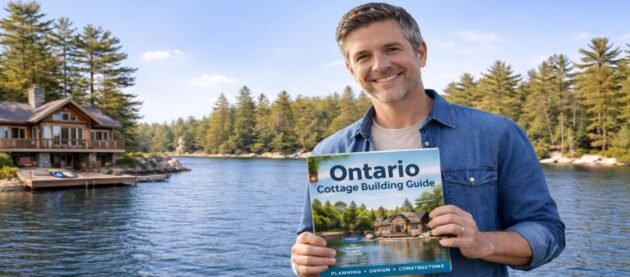
Ontario cottage country
Waterfront reality
Rural construction
Cottage Building in Ontario: The Complete Guide from Land to Move-In
If building a house in town is a chess game, building a cottage in Ontario is chess on a dock, in the wind, while someone asks where the nearest hardware store is and your phone has one bar. This guide walks through the parts that actually matter: what is different about cottages, what waterfront changes, how the seasons wreck schedules, which rural infrastructure surprises people, how environmental rules show up, and how to plan a budget and timeline you can live with. The mindset that makes it all easier: stop thinking “house on a lake” and start thinking “rural plus waterfront plus seasonal logistics.”
1Site drives everything
2Waterfront & rules
3Seasonal vs year-round
4Budget the surprises
1. Cottage vs home building: the site is the difference
The biggest difference between building a cottage and building a home is not the flooring or how many bunks you can squeeze into a loft – it is the site and the systems. A suburban build usually has predictable access, services at the road, and a permitting path thousands of similar homes have already walked. Cottage builds are often the opposite: unique lots, tricky access, variable soils, and services you may need to create from scratch. Run this reality checklist: If it is a second property, plan for capital gains on a cottage when you sell.
- Access and staging: can trucks get in, where do materials land, and where does a crane go if you need one?
- Soils and drainage: sand, rock, organics, fill, and high water tables make cottage lots unpredictable.
- Servicing: well, septic, and sometimes limited power capacity are common cottage-country variables.
- Weather exposure: wind off the water and drifting snow change comfort demands and detailing priorities.
- Permitting complexity: waterfront and environmental rules can add layers beyond a standard building permit.
Builder truth: you can build a gorgeous cottage and still lose your mind if you treat the lot like it is “normal.” The smartest cottage builds are engineered around the site first and decorated second. Even the foundation choice shifts with rural constraints – start with slab-on-grade vs basement in Ontario.
2. Waterfront property considerations
Waterfront is why many people buy a cottage in the first place, and why many cottage plans get redesigned twice. Water changes everything: siting, setbacks, erosion exposure, drainage strategy, and what you can do near the shoreline. The shoreline is not just a view – it is a living edge with real forces. A smart waterfront plan usually starts with three decisions: where the cottage can legally sit, how water will move on and off the site, and how to protect the shoreline without creating a yearly maintenance project.
- Siting: the best view is meaningless if the cottage is in the wrong place for setbacks, hazards, or septic placement.
- Drainage: waterfront lots punish sloppy grading – you need a plan that moves water away without creating runoff issues.
- Exposure: wind-driven rain and storms mean your building envelope and flashing details matter more than average.
- Long-term stability: shorelines erode and shift with water levels and storms, so design for the long game.
Price it before you fall in love. Waterfront lots carry a real premium for access, engineered septic, and shoreline work. Model the whole picture with the waterfront cottage build cost calculator before you commit to a floor plan. And note that high water tables and wet soils can turn a “simple” basement into a waterproofing and drainage project – the fix is planning and proper detailing from day one, not panic.
3. Seasonal vs year-round construction
This is the fork that changes almost everything: are you building a seasonal, three-season cottage with occasional winter visits, or a year-round cottage with full winter use, consistent comfort, real HVAC, and a real insulation strategy? Year-round cottages are not just “a little more insulated” – they need a serious building envelope, good windows, proper mechanical design, and service protection (water lines, drainage, freeze protection). Seasonal cottages can be more flexible, but they still need durability and moisture control, because the water and wind do not care what month it is.
Seasonal cottage focus
Moisture management, durable materials, simple systems, and smart detailing that handles long periods of being closed up.
Year-round cottage focus
Comfort, insulation continuity, air sealing, reliable heat, and freeze-safe servicing so winter weekends do not turn into plumbing emergencies.
For year-round use, energy performance stops being a nice-to-have and becomes the difference between cozy and constantly cold floors. Get the envelope right first, then size the mechanicals. High-performance wall systems like ICF are a common cottage-country choice for durability and quiet, and they shine on exposed waterfront sites – compare in ICF vs wood frame and size the heat load with the heat loss calculator.
4. Rural infrastructure challenges
Rural cottage building is where the little things become the whole project. In town you assume water, sewer, power capacity, and reliable roads. In cottage country you confirm everything, because assumptions are expensive. The big four surprises:
- Septic: site constraints, setbacks, soil conditions, and reserve area can dictate building placement and even building size.
- Well and water: yield, quality, treatment, and winter protection all matter, especially for year-round use.
- Power: service size, distance from the transformer, and upgrades can be real money and real lead time.
- Road access: weight limits, soft roads, steep drives, and seasonal access can affect your entire construction schedule.
Builder tip: the cottage that seems cheaper often becomes expensive because it needs infrastructure. Price the infrastructure early, then decide whether the lot is still a good deal. Septic is the one that bites people most because it can quietly decide where everything goes – see septic and well checks and the land development cost calculator.
5. Environmental regulations
Environmental rules are the part of cottage building that makes some homeowners groan – until they realize the rules exist because shorelines, slopes, wetlands, and near-water areas can be fragile, hazardous, or both. The goal is usually to prevent flooding and erosion damage, protect water quality, and avoid disturbing sensitive areas. Common triggers that can add review steps:
- Shoreline alteration: retaining walls, armour stone, fill, grading, and access stairs down a slope.
- Wetlands and low areas: seasonal flooding zones and sensitive vegetation can restrict development.
- Steep slopes: erosion and slope stability become structural and safety issues, not just landscaping.
- Work near water: docks, boathouses, ramps, and other nearshore features can require extra coordination, and often a conservation-authority permit or federal DFO authorization.
Keep it simple: the easiest approvals come from a design that respects constraints instead of fighting them – build back where needed, control runoff, and preserve stability. Building code still applies at the cottage; the trick is a team that understands how code meets waterfront realities. See conservation authority approvals and the official Ontario Building Code.
6. Design for the cottage lifestyle
Cottage design is not a smaller house – it is a different lifestyle: wet feet, extra people, gear everywhere, and a lot of indoor-outdoor living. The best cottages feel effortless because the layout anticipates real cottage behaviour: kids running in from the water, coolers, towels, paddleboards, muddy boots, and the relative who shows up “just for the weekend” and stays until Tuesday. Design moves that make a cottage feel right:
- A big mudroom or gear zone so wet life has somewhere to land without taking over the living room.
- Durable finishes – floors and trim that do not panic when sand and water show up.
- Simple circulation from water access to mudroom to kitchen, with an outdoor shower if you want one.
- Views plus shading to capture the view without turning a window wall into a greenhouse.
- Storage everywhere – cottages need more than people expect, because they collect stuff.
If you want the cottage to be quiet, comfortable, and low-maintenance in windy waterfront conditions, choose building methods and details that support long-term performance. See the best windows for Ontario’s climate for one decision that pays you back every winter.
7. Budget and timeline planning
Cottage budgets go sideways for two reasons: unknowns and logistics. Unknowns are things like soil conditions, water table, and infrastructure needs. Logistics are things like access, distance to trades, seasonal road restrictions, and material delivery when the site is far from suppliers. Where cottage budgets hide their surprises:
- Site work: blasting, hauling, clearing, driveway, drainage, and bringing the site to build-ready.
- Infrastructure: septic, well, power upgrades, and sometimes long service runs.
- Foundation choices: waterproofing and drainage on wet sites add cost, but skipping them adds regret.
- Seasonal timing: winter protection, staging, and weather delays on exposed sites affect schedule and cost.
- Finish durability: cheap finishes often cost more long-term because cottages are hard on materials.
Simple rule: if you are building rural or waterfront, put a realistic contingency in the budget – 15% to 20% is sensible – not because you are sloppy, but because the lot is allowed to surprise you. Get a fast reality check with the waterfront cottage build cost calculator or the custom home building calculator, and understand the approval path with how to get a building permit in Ontario.
8. Working with cottage specialists
Here is the honest truth: plenty of good builders can put up a nice house. Cottage country rewards the ones who understand rural logistics, waterfront constraints, and how to keep a project moving when conditions are unpredictable. The questions that separate specialists from “we will figure it out”:
- Site strategy: how do you stage the site, manage deliveries, and protect the shoreline during construction?
- Servicing coordination: who coordinates septic, well, electrical service, and inspections – me or you?
- Waterfront experience: show me shoreline-adjacent builds and how you handled setbacks and drainage.
- Envelope and durability: how do you detail wind-driven rain, moisture control, and long-term maintenance?
- Schedule realism: what are the known bottlenecks on rural builds, and how do you plan around them?
Builder tip: the best cottage teams do not promise “no surprises.” They promise a process that finds surprises early, when they are cheaper to solve. That is exactly how we work on waterfront and rural builds across Georgian Bay.
Building a cottage on the water in Simcoe County or Georgian Bay?
Book a cottage consult
Before you fall for a lot or a floor plan, we will pressure-test the site – access, septic, grading, and shoreline rules – and build you a durable, quiet, energy-efficient ICF cottage. We handle site work and permits through Georgian Bay Siteworks. Call 705-533-1633 or reach info@icfhome.ca.
Cottage building in Ontario: FAQ
Is building a cottage in Ontario harder than building a house?
It can be, mainly because cottage projects involve more variables: rural access, servicing (septic and well), waterfront constraints, and seasonal logistics. The structure itself is not magic, but the site can be. Plan around the site early – survey, soils, access, servicing – and cottage builds run smoothly. Assume it is “just like town” and you will spend time and money adapting mid-stream.
What should I confirm before buying cottage land?
Confirm buildability: zoning, setbacks, access, and servicing feasibility. In cottage country, septic and well feasibility can determine where the building sits and how big it can be. Also confirm power availability and road access for construction deliveries. The best lots are not just pretty; they are practical to build on without heroic workarounds.
How does waterfront affect cottage design and approval?
Waterfront can affect setbacks, hazards, drainage, and what you can do near the shoreline, and it tends to increase scrutiny on grading, erosion control, and shoreline alteration. Exposure to wind-driven rain and storms raises the value of solid envelope detailing. The smartest approach is to design for compliance and durability first, then chase the dream deck second.
Can I build a three-season cottage and upgrade it to year-round later?
Sometimes, but upgrading later is often more expensive than doing it right once, especially for insulation, air sealing, and servicing. If you even think you will want winter use, plan for it now: protect water lines, choose appropriate assemblies, and design mechanical space properly. You can keep finishes simple, but it is hard to retrofit core performance after the fact.
What are the most common rural infrastructure surprises?
Septic constraints, well yield or quality issues, limited electrical capacity, and access challenges like soft roads, steep drives, and seasonal restrictions. These add real money and lead time. The fix is early investigation and a team that treats infrastructure as part of the project, not an afterthought. Price the infrastructure early, then decide if the deal lot is still a deal.
How do I keep a cottage comfortable without huge energy bills?
Focus on the envelope first: insulation continuity, air sealing, good windows, and smart detailing against wind-driven rain. Then size mechanical systems appropriately. Waterfront sites are often exposed, so shortcuts show up as drafts and high bills. A high-performance wall system such as ICF and a proper heat-loss calculation are the reliable path to a warm, quiet cottage.
What foundation type is best for a cottage?
It depends on soils, water table, and how you plan to use the cottage. Some lots suit basements well; others make slab-on-grade or a crawlspace more practical. The best foundation is the one that manages water, frost, and durability for your specific site. Compare slab versus basement trade-offs and then make a site-informed decision – do not pick a foundation from a photo.
Why hire a cottage specialist instead of a regular builder?
Cottage specialists understand rural logistics and waterfront constraints, and they price and schedule for reality. They know how to stage a remote site, coordinate septic, well, and power, protect the shoreline during construction, and detail assemblies for exposure and moisture. A builder can be excellent in town and still struggle at the lake, so specialists make the project calmer because fewer things are new to them.
Note: this is general guidance for Ontario cottage builders, not legal, engineering, or planning advice. Cottage and waterfront rules are highly local – confirm zoning, setbacks, servicing, conservation-authority, and building-code requirements with your municipality and qualified professionals before you buy or build.
Related cottage & build guides
Latest posts
Fresh guides, calculators & real-world advice
More from BuildersOntario – scroll to explore.
Loading latest posts…
Tip: shift + mousewheel works great