Floor Buying Guide

Flooring Buying Guide

Floor Buying Guide
Flooring Buying Guide

When building a new home, the flooring you select can give each room its unique character, look and feel. Our Flooring Buying Guide is designed to help you determine what flooring is right for each room. Given the vast array of flooring options available, you’re bound to find one that fits your lifestyle and budget.

The following four criteria should be taken into consideration when choosing to floor for your new home:

  1. Lifestyle – Durability and toughness will be necessary to consider if you have a family and pets. Hardwoods may not be an ideal choice in this case as they scratch and stain easily and can be sensitive to water and humidity. If you want something tough, laminate flooring has a scratch/stain resistant wear layer that makes it a real contender. Tile flooring is durable too and is even easier to keep clean.
  2. Comfort – In addition to how your flooring will look, you should also consider how your flooring will “feel”. Carpet is great for infants as it is a little more cushioned than other floors and also feels much warmer on cold days. Hardwoods, laminates and tiles can tend to feel drafty (although an area rug can often make the difference in these cases).
  3. Home Style – Because it covers such a large surface area, choosing the right flooring is important to reinforce the look you are trying to achieve in each room. Light colored hardwoods yield a classic, timeless look while today’s laminate colors tend to look more modern and add a level of sophistication and simplicity to any home. Tile flooring has such a broad range of looks that it can match almost any style of home.
  4. Maintenance – Cleaning and maintenance are important topics when selecting flooring. Hardwoods are susceptible to stains and require careful attention whereas laminates and ceramic tiles require minimal care. For rooms that get a lot of family use, like kitchens and baths, it is important that floors are easy to keep clean. Carpet can become soiled and requires occasional steam cleaning.

The following is a comparison of different flooring finishes included in this Flooring Buying Guide:

 1. Carpet

Natural rugs made from wool, grasses, or cotton have reduced impacts on petroleum-based products. They off-gas less harmful emissions, require less toxic chemicals to clean and maintain, and are biodegradable upon disposal. Carpets made from Nylon 6 or 6.6 fibers are very durable and can be recycled (either laterally or down-cycled), prolonging their life and keeping them out of landfills.

Carpets with recycled-content made from recycled PET derived primarily from post-consumer plastic soft drink containers reduce the amount of virgin material required but have a higher embodied energy because of shipping related to recycling efforts and the process of recycling the material itself. Their primary benefit is to keep material out of landfills. Carpet pads are either made from recycled carpet pad or recycled carpet fibers and reduce the amount of material sent to landfills.

Pros

  • Huge selection of styles and colours.
  • It feels good on bare feet and makes a room feel warm.
  • Low price, low maintenance.

Cons

  • stains easily
  • harder to clean
  • wears out on high traffic areas

Cost: $2 to $9/sq. ft.

Carpet
Carpet

2. Vinyl

Whether as sheet goods or tile, solid vinyl or vinyl composition products are made from petroleum-based materials and chlorides, some of the most toxic pollutants that have significant impacts throughout their manufacture, product life and disposal. Additives required to increase durability, flexibility and color produce off-gassing, and may flake off lead, cadmium and organotin – and phthalate plasticizers.

The products also pose a fire hazard, as they release gases, such as hydrogen chloride that turns to hydrochloric acid when inhaled. As it burns, whether accidentally or in waste incineration, it releases yet more toxic dioxins. (Healthy Building Network) Vinyl products require adhesives, surface coatings and a higher level of maintenance coatings over their life cycle than other resilient flooring products. Use low- VOC adhesives, cleaners, or finish coatings to reduce impacts.

Pros

  • Huge selection of styles and colours. Available in tiles or sheets.
  • Low price, low maintenance. Double-thick vinyl is ideal for damp areas like bathrooms.
  • Tiles are easy to DIY if the subfloor is level.

Cons

  • Vulnerable to scratches, tears, stains and wear.
  • Difficult to repair

Cost: $2 to $9/sq. ft.

Vinyl
Vinyl

3. Ceramic and Porcelain tiles

Recycled-content tile can be made using waste glass from light bulbs, bottles, or auto windshields. Also, tile can use a byproduct of feldspar mining for content. Tile can be ground up and used for base or fill at the end of its life cycle. Choice of aesthetically flexible patterns and colors prolongs the life cycle of products. Appropriate installation methods ensure longer life cycle. Maintenance impacts are lower because of product durability. Use low-VOC additives, mortars, grouts, and sealers.

Pros

  • Huge selection of colours, styles and sizes.
  • Can easily be coordinated with tile backsplash.
  •  Durable and low maintenance.

Cons

  • Can cause discomfort to legs and back after prolonged standing.
  • Not all tiles are equally wear-resistant; high-traffic areas like kitchens call for stronger ceramic.
  • Can crack or chip.
  • Needs a level subfloor.

Cost: $6 to $20/sq. ft.

Tile
Tile

6. Laminate

This type of flooring uses engineered wood products as a substrate, reducing the use of prime wood fibers; however, most laminates include petroleum-based resins and have high embodied energy due to the pressure treatments required for laminations. They may off-gas formaldehyde and require some recoating to preserve their finish.

Not recommended for high-traffic areas because when they wear out they cannot be refinished and must be landfilled or burned, causing additional pollution. Some laminates use thin wood veneers on engineered substrates, which allow for refinishing at least once during lifecycle and prolong use. Use low-VOC adhesives, cleaners, or finish coatings, or mechanically fasten.

Pros

  • Great selection of styles and colours. Looks like wood, stone, ceramic.
  • Resists stains, scratches, dents, even cigarette burns. Relatively easy to DIY, often directly on top of existing floor.
  • Click-into-place styles can simply be dismantled and taken with you when you move. Good-quality laminate can last up to 25 years.

Cons

  • Not recommended for bathrooms or other damp areas.
  • Must be replaced when worn.

Cost: $4 to $10/sq. ft.

Laminate
Laminate

7. Hardwood

Wood flooring has a high aesthetic value for residences. It also has a long life cycle and is relatively easy to maintain over time. Most wood flooring is derived from hardwood trees, which can come from local/regional or sustainable and certified forests.

Reclaimed or salvaged wood flooring saves materials and can come from species or grain types or sizes of trees no longer available, which increases their aesthetic value. From an environmental standpoint, this approach saves materials from the waste stream and does not impact living trees. Use water-based and low-VOC floor coatings, finishes and cleaners to further minimize environmental impacts.

Pros

  • Oak and maple are the most popular. New: pre-oiled exotic woods, now available with semi-gloss and gloss finishes.
  • Creates a warm, natural atmosphere. Never goes out of fashion. More comfortable for legs and back than harder surfaces. Durable if properly sealed. With oiled floors, a sanding and a coat of mineral oil will hide scratches. Look for longer boards to avoid a patchwork effect.

Cons

  • Requires resealing every few years, but floorboards with a factory-sealed finish can be extremely resistant if they’re good quality.
  • Dirt can accumulate in too-wide joints between boards.

Cost: $6 to $15/sq. ft.

Hardwood
Hardwood

8. Engineered wood

Pros

  • An alternative to hardwood and laminate, it is also a more versatile option.
  • Produced by adhering sheets of real wood to a composite surface.
  • Does not expand or contract with temperature changes.
  • Sold prefinished.
  • Can be glued or clicked into place directly over concrete or an acoustic underlay.

Cons

  • Less durable than hardwood.
  • Cannot be sanded more than twice.

Cost: $7 to $20/sq. ft.

Engineered Wood
Engineered Wood

9. Bamboo

Bamboo is a fast-growing grass that produces new shoots without the need for replanting. It is twice as hard as oak and is produced by compressing Bamboo fibers under extreme heat & pressure.The majority of today’s bamboo flooring products originate in China and other portions of Asia. Moso bamboo is the species most commonly used for flooring. More here: Bamboo Flooring

Pros

  • Gives decor an exotic accent. Beautiful golden tone with natural striations. Carbonization process deepens grain and colour. Some natural shades are available.
  • Environmentally friendly: Bamboo is a renewable, rapid-growth plant.
  • Harder and more resistant to dampness than wood, making it particularly suitable for the kitchen and basement.

Cons

  • Relatively limited selection of shades.
  • Susceptible to water

Cost: $7 to $10/sq. ft.

Bamboo
Bamboo

10. Cork

Cork comes from a renewable resource but must be shipped from Europe and Northern Africa, increasing embodied energy. Shipping via sea routes tends to be less energy intensive than shipping by truck, but the material must still be shipped across the country to national distributors. Cork flooring requires minimal maintenance, produces minimal off-gassing, and is very durable if used appropriately. Select low-VOC adhesives, cleaners, and finish coatings.

Pros

  • Available in either tiles or interlocking planks to make a floating floor. Good selection of colours and styles, allowing you to create a one-of-a-kind design.
  • Warm and cushiony on bare feet. Hypoallergenic and mildew- and dent-resistant making it suitable even for bathrooms. As durable as wood, but an additional application of sealer is recommended in damp rooms.

Cons

  • Does not go well with all decors.
  • Less attractive than wood.
  • Typically more expensive than other flooring options

Cost: $7 to $16/sq. ft.

Cork
Cork

11. Natural stone

Natural stone refers to a variety of mountain born materials including Slate, Marble, Limestone, Travertine, Granite, and Sandstone. Each of these has slightly different properties. It’s important to understand the characteristics of the type of stone flooring tile you are purchasing to determine whether it is appropriate for a particular location.

Pros

  • Appearance improves with age
  • Slate, marble, limestone and sandstone are popular choices.
  • Slab marble and limestone are not especially hard-wearing but tumbled (travertine) marble is highly durable.

Cons

  • Labour intensive installation
  • May absorb stains
  • Can cause leg and back discomfort after prolonged standing. Because it is a natural material, the stone can contain imperfections (texture, colour, veining).
  • Needs regular sealing.

Cost: $10 to $30/sq. ft.

Stone
Stone

12. Concrete

Concrete flooring is extremely tough and resilient and can withstand the pressure from very heavy equipment such as cars, trucks, forklifts, and stacked crates. That is why it is such a popular material for hard working commercial areas such as garages and warehouses.

Pros

  • Provides the industrial look that’s increasingly popular.
  • Perfect for lofts.
  • Good selection of colours and finishes.

Cons

  • Can cause leg and back discomfort after prolonged standing. Surface receiving the concrete must be properly prepared.
  • Needs yearly resealing.

Cost: About $13/sq. ft.

For A New Home, Humidity Is a Double-Edged Sword!

Truss Uplift
Truss Uplift Crack – RH 16%  at the time the picture was taken

You did not take me seriously when I told you to watch the humidity in your new home!

I am really mad! In the recent month, I received 3 phone calls from my last year’s clients about their homes. The floor boards are splitting and the drywall is cracking.

On the new house? What is going on???

The physics behind these problems is pretty simple. Wood is a natural material that responds to fluctuations in its environmental moisture and temperature.

If, the adjoining air, has less moisture than the wood, the wood will dry out to balance to the air. As it dries, it shrinks. If, on the other hand, the surrounding air has more moisture than the wood, all the wooden pieces used to construct your home will expand.

When the quantity of moisture oscillates drastically, wood will expand or contract to a drastic degree.

This natural behaviour of wood is responsible for most of the problems encountered in modern, well sealed houses.

It is what causes doors to close improperly, floors to squeak, gaps in wood flooring, uplift on roof trusses. It also causes kitchen cabinet doors to crack, casings and baseboards to shrink and come away from the walls, and miter joints to split.

On the other end of the scale, we all know that the excess humidity in the house causes hardwood to swell and cup. It also condenses a moisture on windows which may damage the surrounding wall. It also helps the mould to grow.

As you can see, humidity is a double-edged sword. Therefore, it is essential to control it in your new home.

Here, in southern Ontario, during spring, summer or fall the control is easy. Air is relatively moist, and as long as you keep your windows closed, your heat recovery ventilator should do the job. Where as winter air is extremely dry, it can drop the relative humidity in your house to the point where it can do damage to the finishes of your house and furniture and under extreme conditions even do structural damage.

Radiant floor heating does not help. It creates a hot dry climate at floor level, draining the moisture out of the floor structure.

For 30 years, I have been talking and discussing this problem with each and every new client. I make it a point to mention it in several occasions, especially when discussing the hardwood flooring and its warranty and again at the point of pre-delivery inspection.

I usually stress the numbers: “Please keep the humidity in your house between 35% and 60%!!!”

Why then, when we went to inspect the relative humidity from our callbacks this month, the highest number we found in those homes was 18%?. At one house relative humidity was 6%. Six percent relative humidity!!! I did not believe it. I did not even know that it could go so low. It would definitely give you problems breathing.

Do you know who is going to carry the blame for cracked walls and split floors? The builder. That’s who. Me!

So, to avoid similar problems in the future, please take care of the relative humidity in your new home. Between 35% and 60% will be just fine.

The following is the list of ideas for keeping your humidity in check:

  1. During the heating season, turn the dial on the HRV to the lowest setting available.
  2. Do not constantly run bathroom and kitchens fans. They override the HRV system by creating negative pressure and thus drying supply air.
  3. Watch your hygrometer carefully during the winter – maintain around 45% RH.
  4. Keep indoor plants – they will improve air quality, especially during the winter.
  5. Once in a while open the windows. Open windows will supply all the fresh air required.
  6. If you notice that the air is on dry side, cook without turning on the fan.
  7. Do not turn on the fan in bathrooms while showering.
  8. After taking a bath leave bathtub water in the tub till it gets cold.
  9. Get an air humidifier. There some models that integrate with your HRV system.

However, during the winter, there is one small snag with keeping the house at that level of humidity – moisture on your windows.

As the temperature outside drops to -20 C, the inside pane of glass in a window becomes cold enough to cause condensation to form on the inside pane & start running down the window.

Similarly, the colder it gets outside, the worse the problem becomes. We suggest that you simply put up with the inconvenience of occasionally “mopping up” your windows – it’s all part of the responsibilities of home ownership.

Check out: Condensation and Relative Humidity

Flooring What You Need To Know

Flooring What You Need To Know – Your home décor starts on the floor

Flooring What You Need To Know

First, a few basic statements:

1. Medium brown hardwood has a long aesthetic life.

2. Highly detailed oak and exotic woods can steal the room’s focus.

3. Red — cherry wood, red oak and chestnuts — can be difficult to work with.

4. Engineered hardwood better withstands moisture than hardwood.

5. Tiles work best in industrial design. bathrooms and hot climates.

6. The extra effort and expense of heated tile repays with joy to your feet.

house-tool-belt

The 4-year-old son of a friend watched over my shoulder recently as I worked on plans and flooring for The National Home Show’s dream home. Our firm created the interior design for the home at next month’s show — I hope you get a chance to see it.

I asked my young friend if he preferred the dark wood floor or tile. He immediately picked the hardwood. Apparently, tile hurts more when he falls. Not exactly a design consideration, but very practical.

Making the choice combines both aesthetic and practical qualities.

In our climate I often steer clients toward a medium-coloured hardwood that has some graining. Walnut is beautiful for both its colour and for its grain quality, and is naturally a medium-brown colour, with no strong red details.

Remember the floor is a backdrop to the room. As colour trends come and go, you will always be able to work harmoniously with walnut.

Oak was a popular choice based because of its hardness and its availability in North America. While oak is harder than walnut, it tends to have a yellow-orange colour. With a stain applied to darken the wood, the grain becomes more apparent and goes almost black. If oak flooring exists in the space, I advise keeping it and staining it. But if starting from scratch with a new build or custom home, then I recommend walnut flooring.

If hardness is really the issue because of big dogs or a love of stiletto shoes, then bamboo is a better choice and is 150 times harder than oak.

Exotic hardwoods have been popular and can be really beautiful.

Yet they can be risky since they’re indigenous to a humid place and when it’s -25C outside, maintaining a high humidity in your home is difficult. In winter months you tend to see larger spaces between the boards that will tighten again with increased humidity in the summer.

Exotic woods also have strong characteristics that can steal the room’s focus and can be difficult to work with for design updates or change. Brazilian cherry, for example, starts with a red tone and over time becomes a maroon colour with sunlight and age. If the base element of the room is maroon, your colour options are limited when selecting new furniture and accessories.

Home shows can be a great place to see product up close, and there you can see how the floor works with your siding choice, window trims and even furniture. If you already have furniture you’re working with, bring a swatch of fabric or a cushion with you for a colour match.

This weekend you can take advantage of the experts at the GTA home show at the International Centre — including me. Flooring questions are popular and I’ve been asked several times about the best places to use hardwood, and also the difference between engineered and three-quarter-inch hardwood.

Let’s solve this now. People regularly ask if it is OK to have hardwood in the kitchen and, yes, it is perfectly OK. The surface of the board, with a factory finish, is very durable, even around liquids. The sides of the boards are not finished, so avoid having water sit on hardwood since it will make it swell. The continuous sightline of hardwood reaching into the kitchen is so visually appealing that I’m happy to advise it.

Clip Art Graphic of a Yellow Residential House Cartoon Character

Yet there are exceptions. If you have a dog then keeping the floor dry around the water bowl will be difficult. Practically, you may want to select a porcelain tile in the kitchen, or have food and water in a tiled area. Hardwood will never love you like your dog does.

Next, people want to know if engineered flooring is a second-rate hardwood — buyers are concerned they aren’t getting good value for what they pay in the combination of hardwood over the plywood base. Once the floor is laid, however, the effect is the same as three-quarter-inch flooring.

Engineered flooring’s base keeps the floor very stable and far less susceptible to changes in moisture. Engineered product, I believe, is superior to the “full wood” version. As well, since it’s thinner than three-quarter-inch hardwood, it matches more easily with existing floor heights.

If you are in a condo, engineered really is the best choice. It can be glued to the concrete or it can be floated over the concrete slab. I advise extending the wood straight to the front door of your unit. Often there is a landing pad of tile at the front door intended for wet boots. But, generally, you will first walk through the lobby, to the elevators, and along the hall before you get to your own unit. So the continuity of wood flooring also becomes a practical consideration in a condo.

Tile, on the other hand, works well in an industrial loft. Porcelain tiles can mimic concrete or stone, or provide a textural element to the floor or walls. Large format tiles give you the look of polished concrete without actually having the concrete’s weight. It is perfect, also, in warm climates.

Tile is used most in homes in the main bathrooms where showers and bath tubs can create standing water.

It’s especially great in our climate in heated bathroom and kitchen floors. It may seem like just another expense but I assure you, you will enjoy that heat every morning and every night of the entire winter. I often use Nuheat to make the pad, mainly because you can customize the heating mat to the shape of your room. Areas to consider heating include inside your shower. Heating the floor under the vanity or the tub isn’t necessary and the custom mat can avoid those areas.

There are many other options beyond tile and wood, including carpet, vinyl, linoleum and leather. Even after you choose — hardwood, for instance — there are many options to choose from.

If you need some assistance with your choices, then make your way to both the GTA Home Show this weekend and the National Home Show next month. I’d be happy to help you at either show — or both!

Glen Peloso appears every two weeks in New in Homes & Condos. He is principal designer of Peloso Alexander Interiors, national design editor of Canadian Home Trends magazine and a contributor to On the Go magazine. You can catch Glen on the Marilyn Denis Show, 10 a.m. Mon-Fri on CTV. Contact him at pelosoalexander.com, follow him on Twitter at @peloso1 or @glenandjamie, and on Facebook.

formaldehyde

A Step By Step Guide To Formaldehyde in Your Home

formaldehyde
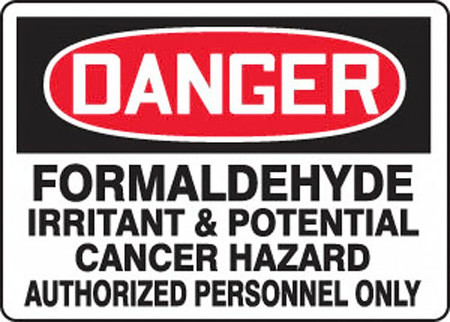
Formaldehyde Danger Sign


What is formaldehyde?

Formaldehyde is a colourless gas. At elevated concentrations, it has a strong, pungent odour and can be irritating to the eyes, nose, and lungs. Formaldehyde is released into the home from a variety of indoor sources. Some resins, or glues, used to bind wood chips or fibres into plywood, particleboard, and other pressed wood products, contain formaldehyde.

Cabinetry and some floor and wall materials are often made from such products. Formaldehyde is also used in fabrics to impart wrinkle resistance or to fix colour, and in some consumer products it is used as a hardening agent or preservative.

Also, formaldehyde is a by-product of combustion processes, such as wood burning, gas appliance use, and cigarette smoking. Formaldehyde is usually present at lower (but not necessarily healthy) levels in outdoor air; it is emitted in car exhaust and from some industrial sources, and is also created from chemical reactions in the atmosphere among combustion pollutants, such as those in automobile exhaust.

Do I have formaldehyde in my home?

Formaldehyde is a very common indoor air pollutant. Because there are many sources, formaldehyde is found in virtually all homes and buildings. Mobile homes, manufactured homes, new homes, and recently remodelled homes are more likely to contain high levels of formaldehyde. Higher formaldehyde in these homes may be caused by the presence of a large quantity of pressed wood products, such as particleboard and plywood. Older homes typically have less formaldehyde in the air because pressed wood products emit less formaldehyde over time.

Concentrations of formaldehyde are usually several times greater indoors than outdoors because a large amount of formaldehyde-emitting material is contained within a confined space. During the 1980s, formaldehyde concentrations averaged about 50 parts per billion (ppb1) in conventional homes, and 70 ppb in mobile homes, about 13 to 18 times higher than average outdoor concentrations at that time.

Since then, manufacturers have voluntarily reduced formaldehyde emissions from pressed wood products, and some typical product formulations have changed. Limited measurements show that concentrations indoors are lower than in the past.  The average outdoor formaldehyde level today is approximately 3 ppb. The majority of exposure to formaldehyde results from indoor sources, due to elevated indoor concentrations and the fact that people spend most of their time indoors.

How can formaldehyde affect my health?

Inhaling formaldehyde in the air can cause both short-term irritant effects and long-term health effects, such as cancer. The potential effect formaldehyde can have on your health depends on the amount you are exposed to, the length of time you are exposed, and your individual sensitivity. Certain people may react differently to the same formaldehyde exposure. People with eye, skin, respiratory, or allergic conditions and those with asthma are potentially more susceptible to the irritant effects of formaldehyde. Children and the elderly may be more sensitive as well.

Odor

The level at which people can first detect formaldehyde by odor varies widely among individuals, from 50 to 500 ppb. Some health effects, such as eye or nose irritation, can occur at formaldehyde concentrations that some people cannot smell.

Exposure to moderate levels of formaldehyde can cause some irritant symptoms, including temporary burning or itching of the eyes or nose, stuffy nose, and sore throat. At higher concentrations, formaldehyde exposure can also cause irritation of the lung’s passageways. At very high formaldehyde levels, chest tightness, coughing, and wheezing can occur. Some people have reported headache, nausea, and fatigue after exposure to formaldehyde.

Formaldehyde is a potent sensitizer, meaning that exposure to formaldehyde can induce an allergic reaction. Skin rashes are the most common form of formaldehyde allergy, especially when the skin is exposed to liquid formaldehyde. Allergic skin reactions can also result from exposure to formaldehyde present in dry products, such as new permanent press clothing.

Airborne formaldehyde may cause allergic reactions in occupationally exposed persons, and also may result in a worsening of asthma symptoms in people with asthma.

Allergens, other volatile chemicals, and a variety of medical conditions can cause some of the same symptoms as formaldehyde does. As with any medical condition, persons with symptoms should have a thorough medical exam to identify the cause.

The International Agency for Research on Cancer (IARC) recently concluded, based on human exposures in the workplace, that formaldehyde can cause nasopharyngeal cancer (cancer of the nose and throat). IARC also found limited evidence that formaldehyde may cause other respiratory tract cancers and a possible link with leukemia. Previously, the U.S. Environmental Protection Agency had classified formaldehyde as a “probable” human carcinogen, based on studies of laboratory animals repeatedly exposed to high levels of formaldehyde.

What can I do to reduce formaldehyde in my home?

There are practical steps you can take to reduce your exposure to formaldehyde in your home. Levels can be reduced whether you are building a new home, remodelling an older home, or seeking to reduce exposure from sources you may have in your home. The most efficient way to reduce formaldehyde in indoor air is to remove or reduce sources of formaldehyde in the home and avoid adding new sources. Formaldehyde from sources such as pressed wood products can take years to off-gas. Additionally, porous materials and furnishings can absorb formaldehyde and re-emit it later. Thus, avoidance of sources and prevention of emissions from the start is best.

Make Smart Choices When Building a Home or Remodelling

Whether you are doing the work yourself or working with a contractor, there are some practical steps you can take to reduce your exposure to formaldehyde.

Avoid the use of bare, uncoated urea-formaldehyde (UF) pressed wood products. UF products, such as particleboard, are often used to cover large areas, and, therefore, can emit relatively high amounts of formaldehyde.

Use formaldehyde-free building materials. It is often possible to substitute other materials for pressed-wood products. Examples of formaldehyde-free materials include lumber, gypsum board, some hardboard products, stainless steel and other metals, adobe, bricks, tile, and plastic. Use insulation materials that emit little or no formaldehyde, too; request emission test results to document low emissions. Formaldehyde emitted from insulation materials installed in the ceiling or walls can enter living spaces in the home.

Use low-emitting building materials. If you still prefer or need a pressed wood product, there are products available that emit very low amounts of formaldehyde. Pressed wood products glued together with phenol-formaldehyde (PF) resin or methylene diisocyanate (MDI) resin emit much less formaldehyde than UF products when new. These products also emit less formaldehyde over time because they are more resistant to water vapor. PF and MDI products are often labeled as “exterior grade” or “moisture resistant” by the construction industry.

Avoid products with urea-formaldehyde-based coatings. Cabinets, solid and laminate wood floors and furniture are sometimes sealed with a layer that emits very high amounts of formaldehyde when new. This finish is known as an acid-catalyzed urea-formaldehyde coating. Typically this product is either factory-applied or applied by a commercial floor contractor in a two-part process; it generally is not available to consumers. You should contact the product’s distributor or manufacturer to ask if the product or floor finish considered for use in your home is of this product type, and avoid being in the home when the product is applied.

Make smart choices when using urea-formaldehyde pressed wood products

Currently, available, domestically produced UF pressed wood products emit less formaldehyde than similar products manufactured before and during the 1980s. Installing large amounts of certain pressed wood products can elevate formaldehyde levels indoors for a significant duration of time. In general, it is best to avoid using UF pressed wood products in your home. However, there can be times when the use of such products is unavoidable.

Here are some steps you can take to reduce formaldehyde emissions when you need to use UF particleboard or hardwood plywood:

Buy particleboard or hardwood plywood stamped with the Composite Panel Association (CPA) or Hardwood Plywood and Veneer Association (HPVA) stamp. Particleboard and hardwood plywood bearing these stamps are certified to meet certain formaldehyde emission standards, and may be lower in formaldehyde emissions than products that are not certified.

Products made with PF or MDI resins emit significantly less formaldehyde and are not required to be stamped. Various other low-emitting products are also available but are not stamped. Ask the manufacturer or salesperson to assist you in distinguishing among the different kinds of pressed wood products.

Buy UF products that are sealed with certain factory finishes. Some factory finishes are useful for reducing formaldehyde emissions (see box below). UF products are often coated with these finishes on only one side: consumers may wish to apply appropriate sealants to the edges and backs of these products. Also, the customer can specify that all surfaces be sealed when buying customized products. Avoid urea-formaldehyde acid-catalyzed coatings.

SOME FACTORY FINISHES THAT CAN REDUCE FORMALDEHYDE EMISSIONS

  • Acrylic Coating
  • Vinyl Coating
  • Melamine Laminate
  • Heat-curable 2-component Polyurethane UV-curable Acrylate
  • UV-curable Multifunctional Acrylate

Seal bare UF pressed wood products with multiple layers of water resistant sealants. If alternative products are not available, sealing exposed surfaces of UF-containing products will reduce formaldehyde emissions for months to years after application. Research indicates that polyurethane, vinyl laminate, dinitro cellulose and other lacquers, and alkyd paint and other water-resistant coatings can reduce formaldehyde emissions. The effectiveness of these sealants varies widely depending on the formulation of the individual product, the thickness of the layer and the thoroughness of its application.

Some manufacturers provide sealants that are specially designed to reduce formaldehyde emissions; these are sold under various trade labels. To seal in formaldehyde fumes, it is advisable to seal all surfaces, including the back and edges of the board and use multiple layers of coatings. Caution: Sealants may release other VOCs for a time when newly applied.

Choose coatings or barrier materials that are water resistant, bond well to the wood products, and can withstand the natural swelling and shrinkage of timber over time. Coatings will remain active only as long as the integrity of the coating layer remains intact. Any sanding, drilling, or cutting of sealed pressed wood products will also result in increased emissions of formaldehyde.

Use Plenty of Ventilation During and After Applying Liquid Sealants. Liquid coatings, including paints, lacquers, stains, and other sealants, release volatile organic chemicals (VOCs) when freshly applied. It is important to use plenty of ventilation during application and for several days after application. Consider wearing a respirator during application.

Make smart choices when decorating and furnishing your home

A number of consumer products used in home decorating emit formaldehyde, especially when new. These products include some paints and other liquid coatings, wallpaper, furniture made from pressed wood products, and permanent press draperies and other textile products. Here are some simple steps you can use to reduce your formaldehyde exposure from these products.

Ventilate well during and after applying paint and other liquid coatings. Increasing ventilation rates, such as by using an exhaust fan, is recommended during paint application, and for at least several days afterwards, to protect both painters and occupants. Sensitive persons should avoid areas where coatings are being applied.

Formaldehyde and other aldehydes are used in small quantities as a preservative in many paint products. Because of the relatively large amount of surface area usually painted, formaldehyde concentrations can be elevated for a time, particularly when the paint is still wet. People sensitive to formaldehyde may wish to avoid areas that are being painted. Even paint products marketed as “low-emission” or “low VOCs” may still contain small amounts of formaldehyde.

Ventilate well during and after wallpaper application. Research shows that formaldehyde is released in significant quantities during wallpaper application and curing.

Buy used or antique furniture. Most formaldehyde in used and antique furniture will have been released over the years of prior ownership. Beware of furniture that has been repaired or refurbished using UF pressed wood.

When buying furniture made from UF pressed wood products, look for furniture with the maximum amount of surface covered by veneer, vinyl, or other water-resistant coating. Although veneer itself is attached with UF glue, tests show that it suppresses formaldehyde emissions from particleboard surfaces. Note that some furniture finishes contain UF resin, and emit formaldehyde, especially when new. Unfortunately, it is sometimes difficult to identify such furniture pieces, so it is best to try to obtain emission or content information from the manufacturer before making a purchase.

Air out new furniture made from pressed wood products, preferably away from the home in a well-ventilated warehouse or other building, before placing it in your home. The area must have fresh air passing through the building or formaldehyde will not be removed. This process will not remove all of the formaldehyde, but it can accelerate the off-gassing of formaldehyde and other noxious or odorous gases.

Air out permanent press draperies and other textiles away from the home. Ask the distributor to do this before installing them in your home. The airing process should involve fully opening the material and allowing fresh air to circulate across its surface for several days. Caution: When airing out furniture or draperies, avoid using buildings that are used for storing paints, solvents, pesticides, and other chemicals. Fumes from these chemicals can be absorbed by fabrics and other porous materials.

Make smart choices when using consumer products

Formaldehyde is used as an ingredient in a variety of consumer products. Products emitting high levels of formaldehyde include permanent press fabrics, fingernail hardeners, and fingernail polish. Other consumer products such as household cleaning agents, dishwashing liquids, fabric softeners, shoe-care agents, carpet cleaning agents, adhesives, shampoos, antiperspirants, and other personal care products may also contain formaldehyde.

Wash permanent press clothing, sheets, and other fabrics before using. Laundering can reduce formaldehyde emissions from these fabrics by about 60 percent. This also will help minimize skin irritation from formaldehyde.

Ventilate thoroughly when using fingernail hardeners, nail polish, and other consumer products that may contain formaldehyde. Some fingernail hardeners and nail polish emit especially high amounts of formaldehyde during application and drying. Formaldehyde exposure can be significant to the person applying either of these products.

Make smart choices when using combustion sources

Smoking tobacco products and burning gas, liquid, or solid fuel in heaters, ranges and ovens, wood stoves, and other combustion appliances can increase formaldehyde concentrations indoors, in addition to releasing a number of other, harmful pollutants. Some steps you can take to reduce formaldehyde exposure from these sources in the home include:

Restrict tobacco smoking to the outdoors. Tobacco smoking produces formaldehyde and other toxic chemicals.

Exhaust all combustion appliances directly to the outdoors. This includes gas heaters, ranges and ovens, and propane and wood burning appliances.

Have combustion appliances and fireplaces checked annually by a professional. Malfunctioning wood stoves, gas appliances, and other combustion appliances produce more formaldehyde and other combustion pollutants (such as carbon monoxide) than appliances that are properly maintained.

More Steps for Reducing Exposure to Formaldehyde

Increase ventilation in your home. You can reduce your exposure to formaldehyde and other indoor pollutants by bringing more outdoor air into your home. Open windows and doors whenever possible. Extra ventilation during warm weather will remove greater amounts of formaldehyde than ventilation when temperatures are cool. Consider installing a whole house fan or a fresh-air ventilation system in your home. This can be helpful for newer homes that are tightly insulated.

Keep indoor temperatures moderate. Formaldehyde concentrations in buildings are especially sensitive to increases in temperature. A temperature increase of 40 degrees Fahrenheit (such as an increase from 50 to 90 degrees F) can result in a doubling of formaldehyde concentrations. You can use the air conditioner to keep summer temperatures relatively low.

However, use swamp cooler type air conditioners cautiously during periods of high ozone. They tend to bring ozone directly indoors, where it reacts and can cause increased levels of fine aerosols and formaldehyde.

Lower your home’s humidity. High humidity, especially during warm periods, increases the rate at which formaldehyde is released from pressed wood and other products. Humidity should be maintained at about 40% to 50% relative humidity in the home.

Recommended Exposure Limits for Formaldehyde

Because formaldehyde can contribute to the risk of getting cancer, and, like other carcinogens, has no level that is known to be risk-free, the ARB recommends that you reduce indoor formaldehyde concentrations as much as possible. This also will decrease the likelihood of irritant effects that can develop from long-term exposures to low levels of formaldehyde. Current outdoor levels average about 3 ppb in California and can range to about 10-12 ppb in some locales. It is desirable to reduce indoor levels to as near to outdoor levels as possible; however, it is not feasible to reduce indoor levels below nearby outdoor levels.

For short-term exposure, the California Office of Environmental Health Hazard Assessment (OEHHA) has calculated an Acute Reference Exposure Level (acute REL) of 76 ppb for a one-hour exposure. This acute REL is the concentration at which scientists are reasonably confident that no adverse effects would be experienced by sensitive individuals exposed for one hour. Individuals can be exposed to this level without immediate health effects, such as eye or throat irritation. For an eight-hour exposure time, no short-term adverse effects would be expected to occur if average levels do not exceed 27 ppb (OEHHA’s interim 8-hour REL).

However, people often spend more than eight hours a day in their homes; infants, young children and the infirm sometimes spend virtually the entire day inside their home. Thus, it is highly desirable that residential levels remain well below 27 ppb to avoid acute effects in such individuals. To prevent irritant effects, air concentrations in new homes, including manufactured homes, also should not exceed 27 ppb. Because materials off-gas formaldehyde over time, levels in new homes should decrease well below this level over time, unless new sources are brought into the home.

Can I measure the formaldehyde inside my home?

It is not necessary to measure the formaldehyde in your home; taking the actions recommended in this guideline will usually lower your levels to acceptable levels. However, if you have large or numerous formaldehyde sources in your home, you may want to measure the formaldehyde level inside your home.

Home test kits are available that can provide a measure of the average indoor level during the test period, usually five to ten days. These kits cost about $90.

Formaldehyde levels typically fluctuate over time: they increase with higher temperatures and humidity. Simple factors such as the location of the sampler (upstairs or downstairs) or a number of times doors and windows are opened during the day can also significantly affect test results. You may want to test in both summer and winter.

A few final words

Remember that the most important action you can take to prevent excessive formaldehyde exposure is to reduce the formaldehyde sources in your home.

Building materials and certain coatings are often the primary sources in homes. If you have large amounts of pressed wood products and other formaldehyde sources already in your home that cannot easily be removed, the best way to reduce your exposure to formaldehyde is to ventilate your home with outdoor air, maintain moderate temperatures, prevent excessive humidity and do not bring additional sources into your home.

House Paint 101

House Paint 101 – What you need to know about painting your home…

A gallon of paint can cost as little as $15 or well over $100. What’s the difference? The paint can labels are not very informative. Many companies don’t list their ingredients. Even when they do, you have to be a chemist to understand them.

House Paint 101
House Paint 101

For most people, the only indicator of quality is the price. If you want to know why a $60-a-gallon paint performs better than the $15-a-gallon stuff, you have to ask questions.

But first you should know a few paint facts

From the time the cave murals in France were made, about 30,000 years ago, paint has had three primary components: pigments, binder, and solvent. The pigments, usually ground into powder, provide the color.

The binder is the glue that holds the pigment particles together and to the wall. The solvent is the liquid in which the binder and pigment are mixed so that they can be applied to a wall. When the solvent dries, a thin, colored film remains.

house-tool-belt

The cave muralists used powdered pigments made from minerals and charcoal. Their binder was animal fat, their solvent water. Today some pigments are still made from minerals, but most are synthetic compounds. For latex, the most commonly used interior house paint, the binder is a synthetic resin, but the solvent is still water.

Although some paint companies might suggest that the water from a nearby mineral spring enhances their product, all water used in today’s latex paints is essentially the same. The variables that determine quality and price are the binders and pigments.

At first, both the cheap and the expensive paints will look beautiful. The more expensive ones may offer more color choices, but most paint manufacturers offer more than enough for most people.

The differences begin to emerge after the job is finished and you start using the space. No matter how conscientious you are, the walls will get dirty. There will be smudges around the light switches, those stray bits of mustard that went everywhere when you tried to squeeze the last drop out of the bottle, and those dirty little splatters from your dog shaking off rain before you could grab a towel.

In 10 years, the $60-a-gallon wall, which can be cleaned, will still look good. The $15-a-gallon one may have been repainted three times because when you tried to clean it, the color came off or the stain couldn’t be removed.

How do the binders and pigments produce these results?

Latex paints at both ends of the price spectrum have a white pigment base to which colorants are added. At the low end, the white pigment is made of titanium dioxide with clay, calcium carbonate (commonly called chalk) or some other inexpensive filler. It can have good “hide”, and completely obscure whatever was on the wall before, but it wears off easily, as you will discover if you accidentally rub up against it or try to clean it.

Clip Art Graphic of a Yellow Residential House Cartoon Character

At the high end, the pigment will be made entirely of titanium dioxide, which is much more durable but much more expensive. Titanium dioxide also reflects light better; to the discerning eye, the color looks brighter and more vibrant.

Latex binders at the high end are made of pure acrylic, which adheres well and holds the pigment particles tightly against the wall. The labels of the cheaper paints may say “latex acrylic,” but the binder is mostly or entirely vinyl acrylic, which does not adhere as well. The most inexpensive paints use less binder, so they adhere even more poorly.

Within the categories of pigments and binders, there are gradations of quality. The acrylic binders in the most expensive paints will be more finely ground and more tightly packed, which makes the paint more stain-resistant and better adhering.

Even the best colors are not perfect

Darker colors can be problematic at every price because their production requires less pigment base and more colorant. As a result, the finished paint film will be soft, with less staying power. When you try to remove a spot, you may leave burnish marks, and some color may come off.

The problem lies in the colorants, which were initially formulated to be used with oil-based paints. These paints, once a staple, are not commonly used anymore in many areas for environmental reasons.

Benjamin Moore’s new $60-a-gallon Aura line claims to have solved this problem with a new colorant system that was formulated to be used with water-based paint.

Clip Art Graphic of a Yellow Residential House Cartoon Character

The distinctions between binders, pigments and dyes are not the ones that you are likely to hear when you go to buy paint. The differences emphasized by most salespeople are the finishes — flat, eggshell and satin. Those are produced by using different sizes of pigment and binder particles.

A flat finish is more porous while eggshell and satin finishes are more impermeable and cleanable (though this is a relative term)

A cheaper satin is more impervious than a cheaper flat, but the pricey flat will perform better than either of the cheap ones. In kitchens and bathrooms, where there will most certainly be water and dirt, you are always advised to use a more impermeable eggshell or satin, even with the $60-a-gallon paint.

The salespeople may also talk about “coverage” — the area of the wall that a gallon will cover. The industry average is 400 square feet, but the most expensive paints can cover more area, so you may need fewer gallons to do the job.


Radiant Floor Heating

Radiant Floor Heating and Hardwood Floor

Living in a radiant heat home provides you with a level of comfort that no other heating method can match. So, how do you combine this luxury with valuable hardwood floor?


Radiant Floor Heating and Hardwood Floor

Is the combination of radiant floor heating and hardwood floor a dream or nightmare?

The most important factor in a successful wood flooring installation over radiant heat is a dry slab and a dry sub-floor.

The only sure way to dry a slab and subfloor is to turn on the radiant heating system before installing the wood flooring. If this isn’t done, moisture left in the concrete will enter the wood flooring as soon as the heat is turned on.

The result is flooring that will expand, contract, shrink, crack, cup and bow excessively. If the heat can’t be turned on, then everyone involved down to the homeowner should understand and accept the consequences that will appear down the road.

Opinions on the amount of time required vary widely. Some say the heating system should be turned on at least 72 hours before installation, with a preferred time of five to six days.

Clip Art Graphic of a Yellow Residential House Cartoon Character

That assumes that the slab has been in place for at least 60 days. If the slab is relatively new, the recommendation is to have the heating system turned on for 30 to 60 days before installing wood floors. As always, follow the recommendations of your wood flooring manufacturer.

Wood dries rapidly when the heat is first turned on. It dries to a lower moisture content toward the end of the heating season. When the radiant heat is turned off, moisture once again starts to seep into the wood subfloor and radiant slab.

Abruptly turning on the radiant heat in the fall will subject wood flooring to rapid and easily noticed movement: Evidence of this change will be cupping or crowning of the boards. Finally, shrinkage cracks will appear between individual floor boards.

Alternatively, gradually turning the heat on before the first cool day will begin the seasonal movement more gradually. Thus, the movement of the floor will be much less noticeable. As always, humidity controls can help offset flooring expansion and contraction.

Not all species of wood are suitable candidates for an installation over radiant heating. It’s best to follow the manufacturer’s recommendation for a species’ suitability over radiant heat. When possible, choose a species that is known for its stability.

Quarter-sawn or rift-sawn flooring is preferable to plain-sawn in the search for stability. Strip flooring is also a better choice than plank flooring because narrow boards expand and contract less than wide boards do.

Using narrow boards also means there are more seams in a floor to take up movement. Because of its dimensional stability, laminated flooring is another good choice.

Styles of wood flooring that are best for radiant heat installation are as follows:

• Laminated/Engineered Wood Flooring: it is more dimensionally stable than solid wood flooring.

• Floating Floors, Laminated/Engineered or Solid: tend to move as a unit to help accommodate moisture content changes.

• Certain Species are known for their inherent dimensional stability such as American Cherry, American Walnut, Mesquite, Teak, and others. Other species such as Maple and Brazilian Cherry are unstable.

• Quarter-sawn or Rift Sawn Wood Flooring are more dimensionally stable than Plain Sawn wood flooring. Narrow boards- (2¼”-56.7mm or less) are the best choice of solid wood flooring over radiant heat.

34house

GENERAL RADIANT HEAT INSTALLATION GUIDELINES:

Before you start, see manufacturers of wood floor products suitable for radiant heat!

To minimize the effect that rapid changes in temperature will have on the floor, it is recommended that an outside thermostat is installed. If one is not present, suggest to your customer that this should be considered. Unlike conventional heating systems whereby when it becomes cold, the heat is switched on, the radiant systems work most effectively and with less trauma to the wood floor if the heating process is gradual, based on small increment increases in relation to the outside temperature.

Sub-floor should have proper moisture tests according to standards in the trade.

A 6-8 mil polyethylene vapour barrier should be installed over slab radiant heat systems. Tape all seams to be sure the barrier is tight. To protect the barrier from rips, some contractors lay 1/16″ (1.5625mm) thick foam sheeting over the vapour barrier.

Clip Art Graphic of a Yellow Residential House Cartoon Character

When the slab has cured, turn the heat on regardless of the season and leave it on for at least 5-6 days before installation of the wood flooring.

The following installation systems can be used successfully over radiant heat:

1. Glue down

2. Direct nail to sub-floor

3. T & G Direct nail to sleepers

4. Single layer of plywood on sleepers

5. Double plywood floating

6. Floating solid or clip installed

7. Floating engineered or laminated

Radiant Floor Heating and Hardwood Floor

Floor Buying Guide

5 Basic Tips When Choosing Hardwood Flooring

Are you having trouble starting to wonder what to look for when deciding what hardwood flooring to choose? There are so many questions and several things to consider before choosing hardwood flooring for your home.

Tips When Choosing Hardwood Flooring

Before you rush out shopping for on hardwood flooring, this article will illustrate to you some basic tips you should ask yourself before making your flooring investment.

Timeless beauty, clean lines, strength, and durability, as well as the ease of cleaning and the classic look, make hardwood flooring the perfect choice for your home. No matter what your personal style is, there is a flooring choice for you because of the unlimited selection available.

But before you rush out shopping for your hardwood flooring, keep these tips in mind. Set a budget for yourself. Having a broad range of flooring to choose from is great, but the downside is that it is easy to get overwhelmed quickly, and this makes you very susceptible to overspending. Remember to balance style with quality with your budget when you make your final choice.

Tip #1 You will be wise to match the room with your choice of flooring, whether hardwood or otherwise. For example, do not try to put hardwood flooring in a bathroom, due to the high levels of moisture a bathroom receives.

Tip #2 Different areas of the house demand various types of wood. For example, wood floors that have very light or very dark finishes typically do not fare well in the kitchen.

Tip #3 Choose a hardwood flooring that has an appropriate finish to match your lifestyle. A sitting room that is seldom used will let you get away with a lighter finish. However, a hallway or living room will get regular traffic and requires a choice that offers a tougher finish that can stand up to a lot of wear and tear.

Tip #4 Consider installation – doing it yourself or having a professional installer do it for you? Many people successfully install their flooring, but only after they have done their homework. It is often easier to hire a professional but do you due diligence when selecting a hardwood flooring installer. You will want to be sure that it will be installed correctly.

Tip #5 Choosing the color and style of the floor can be the fun part. Choose a hardwood that fits your personal taste and your lifestyle. The comparatively high cost of the flooring and installation demands to choose wood that will not go out of style quickly.

Bamboo Flooring - What You Need To Know!

Bamboo Flooring – Facts and Fiction!

Bamboo is a type of grass that grows all over Southeast Asia and China and it has become a high-quality alternative to the traditional hardwood floors.

Bamboo Flooring - What You Need To Know!
Bamboo Flooring – What You Need To Know!


Professionals in the flooring business are always looking for good flooring materials to promote to their clients. They are looking for high-quality floors that look good and withstand everyday lifestyles as well.

Bamboo flooring does both these things, and that is why it is a good flooring material choice.

Bamboo stalks mature in just five years and reach heights well over 50 ft. Since bamboo renews itself naturally, it is an environmentally friendly alternative to using wood from trees that can take anywhere from 50 to 100 years to mature.

Bamboo, a type of grass, grows into a material that is very hard and durable. Bamboo can grow in areas with fair to poor soil, making it one of the fastest-growing plants in the world.

Even after harvesting bamboo continues to grow vigorously, which makes it an excellent alternative to “green building”.

Bamboo floors are a great way of adding value to your home since they are just as hard, durable, and attractive as traditional hardwood floors.

When people are looking for floors for their home, they look for durability, fair pricing, and excellent looks. Bamboo flooring not only looks fashionable and attractive. They are also very durable and almost as hard as steel!

Bamboo floors are very environmentally friendly which is beginning to make them more attractive.

It comes in many different colors; like light wood, honey, dark wood, and amber that have all been known to be popular. Carbonization and pressure steaming are techniques used to create the dark colors seen on a lot of bamboo floors.

Bamboo flooring panels can also be arranged in many different pattern types. Patterns that are usually seen are vertical or flat grain, and bamboo floors are usually nailed down or floated.

Unfinished as well as pre-finished bamboo panels are available and can be found online sold by bamboo suppliers or in flooring centers. Bamboo floors are always a good option when you are looking to buy a new floor.

To sum it all up: bamboo floors are cost efficient, durable, stable, fashionable, and environmentally friendly. Any homeowner looking to buy a new floor should give bamboo a chance since they are a cheaper alternative to traditional hardwood floors and are very easy to maintain.


Floor Buying Guide

7 Important Hardwood Floor Tips

Solid hardwood floors look great. They have a tough chunky look that spells quality and long life. And they will last long and look magnificent throughout if you take the effort to take care of them.

7 Important Hardwood Floor Tips
Hardwood Floor Tips

It’s not difficult, and the right kind of care will add years to your beautiful hardwood floor.

7 Principal Hardwood Floor Tips

1. The worst enemies of your hardwood floor are grit, sand and dirt. These three act like sandpaper grinding, scraping and dulling the shiny surface until it becomes ugly. Use small mats near outside doors to prevent the dirt getting further into your house.

2. Water allowed to stand on any part of your hardwood floor can cause warping and discoloration. Be sure to wipe up any spills promptly.

3. Re-arranging the furniture is fine, but lift it rather than drag it. This will avoid scratches.

4. The sun can be strong and have much more power than you may think in mid summer. Direct sunlight can discolor a hardwood floor. Protect it with drapes, curtains or blinds.

5. Clean your hardwood floor by using a good broom, a canister vacuum with a special bare floor attachment or a good dust mop.

6. If your floor does get a bad scratch in it, get a scratch filler kit of the right color at your local hardware store. Sand and smooth the affected area first, and then mix the solution to get the exact right color. When it has dried, lightly smooth with a low grit sandpaper, then polish.

7. Pets are among your hardwood floor’s biggest enemies. They have claws and nails that scratch surfaces. Keep your pet’s nails well trimmed. Also, keep pet food containers off the floor surface. Pets always spill food around the containers, which will damage the floor over time. Use newspaper or something more durable to protect the floor.